What is a smart light bulb – Types, Features & Tips
Published: 12 May 2026
Have you ever turned off a light without touching a switch? Many people now control lights with a phone or a simple voice command. This new technology makes homes more comfortable and modern. But what is a smart light bulb, and why do so many people use them today?
A smart bulb does more than just light a room. It lets users change brightness, set schedules, and even pick different colors in seconds. Many people also save energy and reduce electricity use with smart lighting.
In this guide, you will learn “what is a smart light bulb?”, how it works, its main features, and why it has become a popular choice for modern homes.
What is a Smart Light Bulb?
A smart light bulb is a modern LED bulb that connects to the internet or a smart home system. It allows users to control lighting with a smartphone, tablet, or voice command instead of using only a traditional wall switch.

Unlike regular bulbs, a smart bulb offers extra features such as changing brightness, adjusting colors, and setting schedules. Many people use apps to turn lights on or off from anywhere in the house. Some users also connect smart lighting with voice assistants like Amazon Alexa or Google Assistant for hands-free control.
Most smart bulbs use LED technology, so they consume less electricity and last longer than traditional light bulbs. This combination of convenience, energy savings, and remote control makes smart lighting a popular choice for modern homes.
How Does a Smart Light Bulb Work?
Smart bulbs use wireless technology to connect with gadgets and smart home systems. Users can control lighting, create schedules, and manage settings without using a traditional switch.
Wireless Connectivity
A smart bulb connects through wireless technologies such as Wi-Fi, Bluetooth, Zigbee, or Z-Wave. These connections allow the bulb to communicate with smartphones, smart hubs, or other connected devices inside the home.
Some bulbs connect directly to Wi-Fi, while others need a smart hub for better control and automation.
Mobile App Control
Most smart bulbs come with a mobile app that lets users control lighting from a smartphone or tablet. Users can turn lights on or off, adjust brightness, or change colors with a few taps.
Many apps also allow remote access, so users can manage lighting even when they are away from home.
Voice Assistant Integration
Many smart bulbs work with voice assistants such as Amazon Alexa, Google Assistant, and Apple Siri.
Users can give simple voice commands like “turn on the bedroom light” or “dim the living room lights” for hands-free control.
Automation & Scheduling
Smart lighting systems also support automation features. Users can set timers, create daily schedules, or build routines for different times of the day.
For example, lights can turn on automatically in the evening or switch off at bedtime. Some systems also connect with other smart home devices for a more connected experience.
Types of Smart Light Bulbs
Different smart bulbs offer different features and connection methods. Some focus on easy setup, while others support advanced smart home systems.
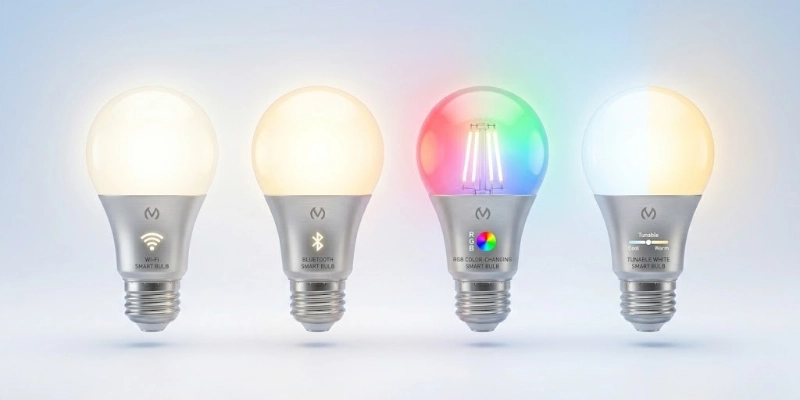
Here are some types given below.
Wi-Fi Smart Bulbs
Wi-Fi smart bulbs connect directly to the internet without a separate hub. Users can control these bulbs through a mobile app from almost anywhere. Many people choose Wi-Fi bulbs because they offer quick setup and simple control.
Bluetooth Smart Bulbs
Bluetooth smart bulbs connect directly to smartphones or tablets through Bluetooth technology. These bulbs work best for small spaces because they support short-range control. Many users like them for their easy installation and fast pairing process.
Zigbee & Z-Wave Smart Bulbs
Zigbee and Z-Wave smart bulbs connect through a smart home hub instead of direct Wi-Fi. These systems create a stronger and more stable smart home network. Many advanced smart homes use these bulbs for better automation and device communication.
Color-Changing Smart Bulbs
Color-changing smart bulbs allow users to switch between different colors and lighting effects. Many bulbs support RGB lighting, which helps users create different moods for gaming, movies, parties, or relaxation.
White Smart Bulbs
White smart bulbs focus on adjustable brightness and color temperature instead of multiple colors. Users can change the lighting from warm white to cool white for reading, working, or relaxing.
Outdoor Smart Bulbs
Outdoor smart bulbs work in gardens, garages, patios, and driveways. Manufacturers design these bulbs with weather-resistant materials to handle rain, dust, and temperature changes. Many outdoor models also support scheduling and security lighting features.
Key Features of Smart Light Bulbs
Smart bulbs offer advanced features that make lighting more flexible, convenient, and energy efficient for modern homes.
- Remote Control:
Smart bulbs allow users to control lights from almost anywhere through a mobile app. Users can turn lights on or off even when they are away from home.
- Brightness Adjustment:
Many smart bulbs support dimming features that help users adjust brightness levels for different activities. People often use bright lighting for work and softer lighting for relaxation.
- Color Customization:
Some smart bulbs provide millions of color options for personalized lighting. Users can create different moods and styles by changing colors with a simple tap or voice command.
- Energy Efficiency:
Most smart bulbs use LED technology, which consumes less electricity than traditional incandescent bulbs. These bulbs also last longer, which helps reduce replacement costs over time.
- Scheduling & Automation:
Smart lighting systems support automatic schedules and routines. Users can set lights to turn on in the morning, switch off at bedtime, or follow daily routines automatically.
- Voice Commands:
Many smart bulbs work with voice assistants such as Amazon Alexa, Google Assistant, and Apple Siri. Users can control lighting with simple hands-free voice commands.
Benefits of Using Smart Light Bulbs
Smart light bulbs improve daily living by making lighting more flexible, efficient, and easy to control. They help users save energy while creating a more comfortable home environment.
- They provide easy control of lighting through mobile apps, allowing users to adjust lights anytime and from anywhere.
- They help reduce electricity usage by using energy-efficient LED technology and smart automation features.
- They improve home security by allowing scheduled lighting that makes a home look occupied even when no one is there.
- They allow users to customize lighting brightness and colors to match different moods and activities.
- They last longer than traditional bulbs, which reduces replacement costs and maintenance efforts over time.
Limitations of Smart Light Bulbs
Smart light bulbs offer many modern features, but they also come with a few drawbacks that users should consider before buying.

These limitations can affect cost, usability, and system compatibility.
- They usually have a higher initial price compared to traditional light bulbs, which may not fit every budget.
- They depend on the internet, Wi-Fi, or mobile apps, so they may not work properly during network issues.
- They can face compatibility problems with certain smart home systems or older devices.
- They may raise privacy concerns because they often connect to cloud-based services for control and data syncing.
- They can become difficult to use for some users if the app interface or setup process is too complex.
Smart Light Bulb vs Regular LED Bulb
Both smart light bulbs and regular LED bulbs help reduce energy use, but they serve different needs. One focuses on advanced control and automation, while the other provides simple and affordable lighting.
| Feature | Smart Bulb | LED Bulb |
| Control | App, Wi-Fi, voice | Switch only |
| Features | Dim, color, schedule | Basic on/off |
| Cost | Higher | Lower |
| Setup | App setup needed | Plug & use |
| Best For | Smart home users | Simple users |
| Energy Use | Very efficient | Efficient |
Common Uses of Smart Light Bulbs
Smart light bulbs are used in many areas of the home to improve comfort, control, and style. They help users adjust lighting based on daily needs and activities.
- They are used in bedrooms to automate lighting for sleep and wake-up routines.
- They support home offices by providing adjustable brightness for better focus and productivity.
- They enhance gaming and entertainment setups by creating colorful and immersive lighting effects.
- They improve outdoor and security lighting by allowing scheduled or remote-controlled lights.
- They are used for mood and decoration by setting different colors and lighting styles for special occasions.
How to Choose the Best Smart Light Bulb?
Smart light bulbs are not all the same, so choosing the right one depends on your home setup, lighting needs, and budget. Focusing on compatibility, brightness, and app control helps you avoid buying the wrong product.
- You should always check compatibility with your smart home system so the bulb works smoothly with platforms like Alexa, Google Home, or Apple devices.
- You should choose the right brightness level (lumens) and color support based on the room size and your daily lighting needs.
- You should confirm the bulb type and socket size so it fits properly in your existing fixtures without any issues.
- You should consider app quality and connectivity because a slow or unstable app can make control difficult, even if the bulb is good.
- You should compare budget and brand reputation to ensure you get reliable performance and long-term value for your money.
Popular Smart Light Bulb Brands
Several well-known brands offer reliable smart light bulbs with different features, prices, and smart home support.
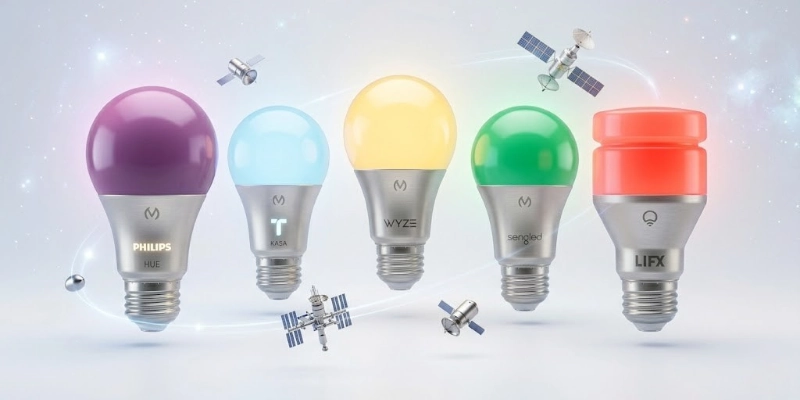
These brands are commonly used for both beginner and advanced smart lighting setups.
- Philips Hue is known for premium quality, strong ecosystem support, and advanced lighting features for full smart home control. Philips Hue is often considered the most advanced option.
- TP-Link Kasa offers affordable and reliable smart bulbs with easy app control and good stability for everyday use.
- Wyze provides budget-friendly smart lighting with simple setup and solid core features for beginners.
- Sengled focuses on low-cost smart bulbs that still support useful features like app control and automation.
- LIFX is known for bright, vibrant color lighting and strong Wi-Fi connectivity without needing a hub.
Tips for Using Smart Light Bulbs Efficiently
Smart light bulbs work best when you use their features in a smart and simple way. A few small habits can improve performance, save energy, and make daily use easier.
- You should create automation schedules so that lights turn on and off automatically based on your daily routine.
- You should use energy-saving settings like dimming to reduce power use without affecting comfort.
- You should keep firmware updated to improve performance, fix bugs, and add new features.
- You should group bulbs by rooms so you can control multiple lights together with one command.
- You should set up voice assistant routines to control lighting quickly without using your phone.
Conclusion
Smart light bulbs bring modern control, comfort, and flexibility to everyday lighting. They make it easy to manage lights with apps, voice commands, and automation.
They are useful in modern homes because they save energy, improve convenience, and help create the right lighting for different situations like work, relaxation, or security.
For beginners, a simple Wi-Fi smart bulb is a good start, while smart home users can choose advanced systems for full automation and better control.
FAQs
Have more questions about smart lighting? Explore more guides or choose the right smart bulb to make your home smarter and easier to control today.
A smart light bulb lets users control lighting with a phone or voice instead of a switch. People use it to adjust brightness, change colors, and set schedules. It makes home lighting easier and more flexible.
Some smart bulbs work with Bluetooth without Wi-Fi for basic control. However, advanced features like remote access need the internet. Without Wi-Fi, the control range stays limited.
Yes, smart bulbs use LED technology that saves more energy than traditional bulbs. They also reduce waste with timers and automation. This helps lower electricity bills over time.
Many smart bulbs support color changing with RGB features. Users can choose different colors for mood or decoration. Some models offer millions of color options.
Smart bulbs are worth it if you want convenience and automation. They offer more control than normal bulbs. They also add smart features for modern homes.
You install it by screwing it into a normal light socket. Then you connect it to a mobile app for setup. The process usually takes only a few minutes.
Yes, most smart bulbs need a dedicated app for full control. The app helps manage brightness, colors, and schedules. Some also work with smart home apps for extra features.





- Be Respectful
- Stay Relevant
- Stay Positive
- True Feedback
- Encourage Discussion
- Avoid Spamming
- No Fake News
- Don't Copy-Paste
- No Personal Attacks
- Be Respectful
- Stay Relevant
- Stay Positive
- True Feedback
- Encourage Discussion
- Avoid Spamming
- No Fake News
- Don't Copy-Paste
- No Personal Attacks
