What is a Digital Camera? Beginner Complete Guide
Published: 1 May 2026
Have you ever wondered how people capture sharp photos instantly without using film? In today’s digital world, photography has become faster, smarter, and more convenient than ever. This raises an important question: what is a digital camera, and why is it so important today?
Digital cameras have changed the way we capture and share memories, from family events to professional photography and social media content. Unlike traditional cameras, they store images digitally, making photography quick and efficient.
In this guide, you’ll learn what is a digital camera, how it works, its main features, and why it has become an essential part of modern life.
What is a Digital Camera?
A digital camera is an electronic device that takes photos and videos and saves them in digital form. Instead of using film, it uses an image sensor to capture light and turn it into a picture. You can view the photo instantly on the screen, delete it, or transfer it to another device.
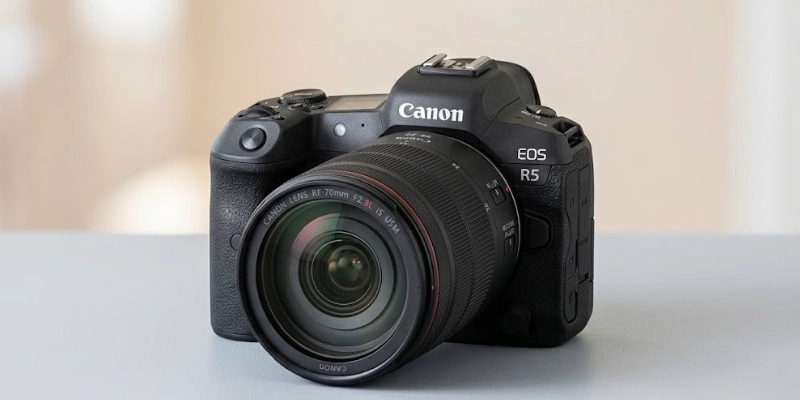
The camera captures light through the lens and sends it to the image sensor. The sensor changes that light into digital data, and the camera stores it on a memory card. This process makes photography faster, easier, and more convenient for everyday use.
Traditional film cameras use photographic film to record images, while digital cameras store pictures electronically. In film cameras, you need to develop the film before seeing the photos. In digital cameras, you can check your pictures right away. This saves both time and cost, which is why many people prefer digital cameras today.
How Does a Digital Camera Work?
A digital camera works by capturing light and turning it into a photo. Each part of the camera helps in this process, from the lens to the storage system.
Image Sensor
The image sensor is one of the most important parts of a digital camera. It captures the light that enters through the lens and changes it into digital data.
There are two common types of image sensors: CCD and CMOS.
CCD (Charge-Coupled Device) sensors produce high-quality images and reduce noise well. Many older cameras use this type.
CMOS (Complementary Metal-Oxide-Semiconductor) sensors work faster and use less battery power. Most modern digital cameras use CMOS sensors because they are more efficient.
Lens System
The lens allows light to enter the camera. It focuses the light onto the image sensor so the camera can create a clear picture.
Different lenses give different results. Some lenses work better for close-up photos, while others are better for wide landscapes or zoom shots.
A good lens helps improve image quality and sharpness.
Image Processing
After the sensor captures light, the camera processes that information and turns it into a digital image.
The camera adjusts color, brightness, sharpness, and contrast to make the photo look better. It then saves the image as a file, like JPEG or RAW.
This step helps create clear and detailed photos.
Storage System
The camera saves photos on a memory card or in internal storage.
Most digital cameras use SD cards or microSD cards to store images and videos. Some cameras also have built-in storage for extra space.
This makes it easy to save, transfer, and back up your pictures.
Display and Controls
The LCD screen lets you see your photos, change settings, and preview shots before taking them.
Some cameras also have a viewfinder, which helps you frame the picture more clearly, especially in bright sunlight.
Buttons and controls help you adjust zoom, flash, focus, brightness, and other camera settings for better results.
Types of Digital Cameras
Different types of camera gadgets are made for different needs. Some are simple for daily use, while others offer advanced features for professional photography.
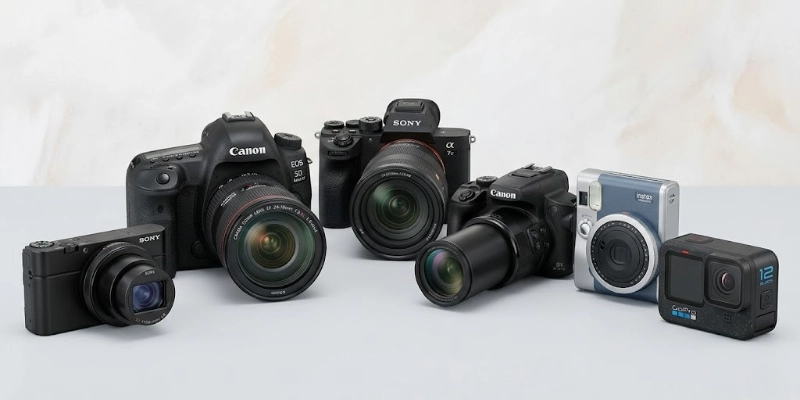
Choosing the right one depends on your purpose, budget, and skill level.
Point-and-Shoot Cameras
Point-and-shoot cameras are small, simple, and easy to use. They are perfect for beginners who want quick and clear photos without learning complex settings.
These cameras usually have fixed lenses and automatic controls. They work well for family events, travel, and casual photography.
DSLR Cameras
DSLR cameras are popular for advanced photography. They offer high image quality, manual controls, and interchangeable lenses.
Photographers use DSLR cameras for portraits, weddings, wildlife, and professional work. They give more control over focus, lighting, and camera settings.
Mirrorless Cameras
Mirrorless cameras are a modern alternative to DSLR cameras. They provide excellent image quality but have a lighter and smaller design.
They also support interchangeable lenses and fast autofocus. Many people choose mirrorless cameras for travel, content creation, and professional photography.
Bridge Cameras
Bridge cameras sit between compact cameras and DSLR cameras. They are known for strong Zoom features and easy controls.
These cameras usually have fixed lenses with powerful zoom ranges. They are good for wildlife, nature, and long-distance photography.
Action Cameras
Action cameras are small, strong, and built for outdoor activities. People use them for sports, travel, biking, diving, and adventure videos.
They are lightweight, waterproof, and easy to mount on helmets, bikes, or other equipment.
Instant Digital Cameras
Instant digital cameras let you capture photos quickly and print them right away.
They combine digital features with instant printing, which makes them fun for parties, events, and personal memories. Many people like them for their fast and creative photo experience.
Key Features of a Digital Camera
Before buying a digital camera, it is important to understand its main features. These features affect photo quality, video performance, and overall user experience.
Megapixels
Megapixels show the image resolution of a camera. A higher number of megapixels means the camera can capture more detail in a photo.
This helps when you want to print large pictures or crop images without losing too much quality. However, more megapixels do not always mean better image quality.
Optical Zoom vs Digital Zoom
Zoom helps you capture subjects that are far away.
Optical zoom uses the camera lens to bring the subject closer without reducing image quality. It gives better and clearer results.
Digital zoom enlarges the image using software, which can reduce sharpness and detail. Optical zoom is usually the better choice.
Image Stabilization
Image stabilization helps reduce blur caused by hand movement while taking photos or recording videos.
This feature is useful in low light or when using Zoom. It helps create sharper photos and smoother videos, especially when shooting without a tripod.
Autofocus System
The autofocus system helps the camera focus quickly and clearly on the subject.
A good autofocus system improves photo sharpness and saves time. It is very helpful for moving subjects like children, pets, sports, and wildlife photography.
Video Recording
Most digital cameras also record videos. Common video options include HD, Full HD, and 4K resolution.
Higher video quality gives clearer and more detailed recordings. Many users choose cameras based on video performance for vlogging, content creation, and professional use.
Connectivity Features
Modern digital cameras offer easy ways to transfer photos and videos.
Features like Wi-Fi, Bluetooth, and USB connections help users move files to smartphones, laptops, or other gadgets quickly.
These options make sharing photos faster and more convenient.
Benefits of Using a Digital Camera
A digital camera offers many advantages for both beginners and professionals. It gives better control, stronger performance, and higher image quality for different types of photography.
- Digital cameras often capture better image quality than many smartphones. They produce sharper photos, better colors, and better low-light performance.
- They provide more manual control for photography. Users can adjust focus, shutter speed, aperture, and ISO for more creative results.
- Many digital cameras support interchangeable lenses. This helps users choose the right lens for portraits, landscapes, sports, and close-up photography.
- They support useful accessories like tripods, flashes, microphones, and external lights. These tools improve both photo and video quality.
- They are ideal for professional and creative work. People use them for weddings, events, content creation, product photography, and business marketing.
Limitations of Digital Cameras
Digital cameras offer great image quality and control, but they also have some drawbacks. Understanding these limitations helps users make better buying decisions.
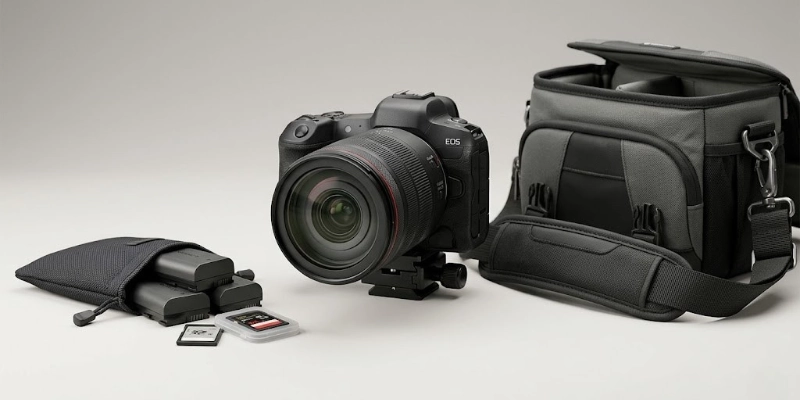
- Digital cameras usually cost more than smartphones. A good camera, along with lenses and accessories, can be expensive for many users.
- They require extra accessories like batteries, memory cards, and chargers. Without these items, the camera cannot function properly for long use.
- Beginners often face a learning curve. Understanding settings like ISO, aperture, shutter speed, and focus takes time and practice.
- They are heavier and less portable than smartphones. Carrying a camera with multiple lenses can become difficult during travel.
- They need regular maintenance and care. Lenses and sensors can collect dust, and users must clean and store them properly to avoid damage.
Digital Camera vs Smartphone Camera
Digital cameras and smartphone cameras both help you capture photos, but they work in different ways. Digital cameras focus on higher quality and more control, while smartphones focus on ease and convenience. The best choice depends on how and why you take photos.
| Feature | Digital Camera | Smartphone Camera |
| Image Quality | High detail, better low light, sharper images | Good quality, but limited detail |
| Portability | Less portable, needs extra gear | Very portable, always available |
| Ease of Use | Needs learning and practice | Very easy and automatic |
| Control | Full manual control available | Limited control options |
| Best For | Professionals and creators | Casual and daily users |
Who Should Buy a Digital Camera?
A digital camera is not for everyone, but it becomes very useful for people who need better image quality, creative control, or professional results. It suits users who want to go beyond basic smartphone photography and improve their skills.
- Professional photographers should use a digital camera because it provides high image quality, full manual control, and support for different lenses.
- Travel vloggers and content creators should choose a digital camera for better video
quality, clear images, and more creative shooting options. - Students learning photography should use a digital camera to practice settings like ISO, aperture, and shutter speed in a real learning environment.
- Wildlife and sports photographers should use a digital camera because it offers fast autofocus, strong zoom options, and better performance for moving subjects.
- Hobby photographers should buy a digital camera if they enjoy photography and want to improve their skills with better quality and creative control.
How to Choose the Right Digital Camera?
Choosing the right digital camera depends on your needs, budget, and how you plan to use it. A careful selection helps you get better results and long-term value.
- The purpose of use matters first. You should decide if you need a camera for travel, professional photography, or content creation because each use requires different features.
- Budget planning is important. You should set a clear budget and choose a camera that gives the best features within your price range.
- Sensor size and lens compatibility affect image quality. A larger sensor captures better detail, and interchangeable lenses give more flexibility.
- Portability and battery life also matter. You should choose a camera that is easy to carry and has long-lasting battery performance for travel or outdoor use.
- Brand reputation and after-sales support help you in the long run. A trusted brand ensures better quality, warranty service, and easy repairs if needed.
Popular Digital Camera Brands
Many trusted brands manufacture digital cameras with different features, price ranges, and performance levels. Each brand focuses on specific strengths, so users can choose based on their needs and budget.
- Canon is a popular brand known for reliable performance, user-friendly controls, and a wide range of cameras for beginners and professionals.
- Nikon offers strong image quality, durable build, and excellent DSLR options for photography enthusiasts and professionals.
- Sony is famous for its advanced mirrorless cameras, fast autofocus, and high-quality video recording features.
- Fujifilm is well known for its stylish design, strong color science, and excellent image quality for creative photography.
- Panasonic produces reliable cameras with strong video features, making them a good choice for vloggers and filmmakers.
- Olympus offers compact and lightweight cameras with good stabilization, which makes them suitable for travel photography.
Tips for Maintaining a Digital Camera
Proper care and maintenance help a digital camera last longer and perform better. Regular cleaning, safe storage, and correct usage can protect it from damage and keep image quality consistent over time.
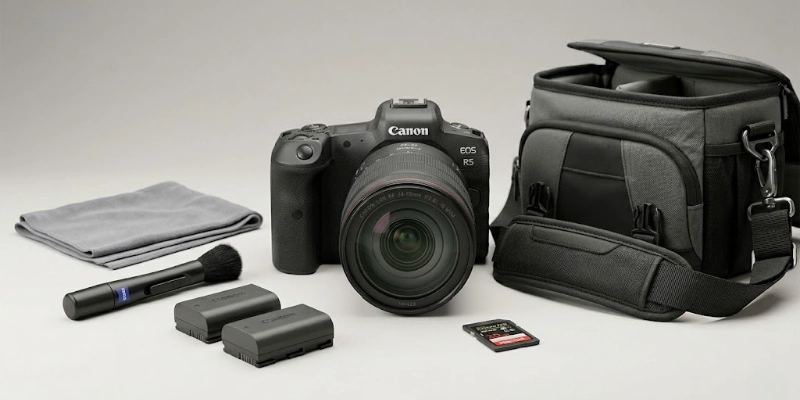
- You should clean the lens carefully using a soft microfiber cloth to avoid scratches and keep images clear.
- You should protect the camera from dust and moisture by using a camera bag or protective cover, especially during outdoor use.
- You should store batteries properly by removing them if the camera is not in use for a long time and keeping them in a cool, dry place.
- You should use high-quality memory cards to ensure fast performance and avoid data loss or file corruption.
- You should keep the firmware updated to improve camera performance, fix bugs, and unlock new features.
Conclusion
Digital cameras continue to play an important role in modern photography. They offer better image quality, more control, and flexible features compared to many basic photography tools.
Even in the smartphone era, digital cameras remain valuable because they deliver higher performance, support professional work, and give more creative freedom to users.
For beginners, a simple point-and-shoot or entry-level mirrorless camera is a good start. For enthusiasts and professionals, DSLR or advanced mirrorless cameras are a better choice for long-term growth and better results.
FAQs
Still have questions about digital cameras? Check out the FAQs below to get quick, clear answers before you make your choice.
It is used to capture photos and videos in electronic form. It stores images on a memory card for easy access and sharing. People use it for personal, travel, and professional photography.
It depends on your needs. A camera gives better image quality and more control over settings. A phone is more convenient for quick and everyday photos.
DSLR cameras use a mirror system, while mirrorless cameras do not. Mirrorless models are lighter and more modern. Both can produce high-quality images.
For most users, 12 to 24 megapixels is enough. It gives clear and detailed photos for daily use. Higher megapixels help with large prints and editing.
No, they do not need internet to take photos. Internet is only used for sharing or transferring files. Most cameras work fully without it.
Yes, beginners can start with automatic modes. These settings help take good photos without manual adjustments. Practice helps improve skills over time.
Battery life depends on usage and model. Most cameras last for a few hundred shots per charge. Carrying a spare battery is always helpful.
Yes, most modern cameras support video recording. Many offer HD, Full HD, or 4K quality. This makes them useful for both photos and videos.
Yes, some basic accessories improve performance. Memory cards, extra batteries, and a camera bag are commonly used. Lenses may also be needed for advanced photography.





- Be Respectful
- Stay Relevant
- Stay Positive
- True Feedback
- Encourage Discussion
- Avoid Spamming
- No Fake News
- Don't Copy-Paste
- No Personal Attacks
- Be Respectful
- Stay Relevant
- Stay Positive
- True Feedback
- Encourage Discussion
- Avoid Spamming
- No Fake News
- Don't Copy-Paste
- No Personal Attacks
