What Are Fitness Trackers – Features, Uses and Accuracy
Published: 15 Sep 2026
Fitness trackers have become a simple way to keep an eye on everyday activity and fitness goals without making things complicated. From counting steps to checking sleep and heart rate, these small devices can provide useful insights throughout the day.
So, what are fitness trackers? They are wearable devices that collect and track different types of fitness and health-related data, depending on the model. Some can monitor steps, calories, sleep, heart rate, workouts, and even other advanced metrics.
In this guide, you’ll learn how fitness trackers work, what they can measure, their main types and benefits, how accurate their readings are, and how they compare with smartwatches.
What Are Fitness Trackers?
Fitness trackers are wearable devices that record information about your daily movement and exercise. Depending on the model, it can also collect data such as heart rate, sleep patterns, calories burned, and workout activity.
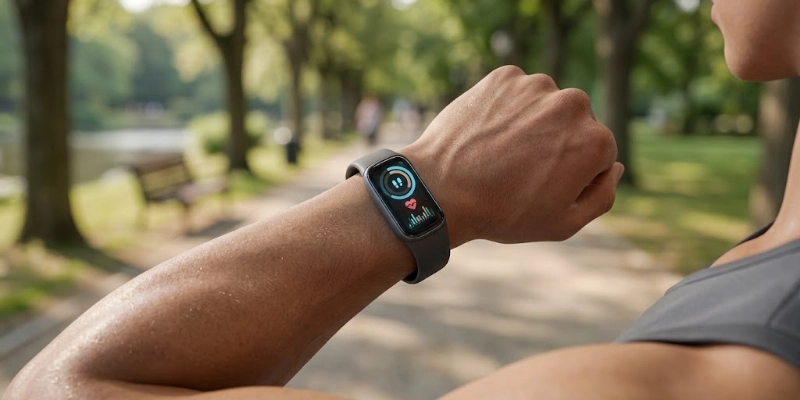
These gadgets are mainly designed to help you understand your habits and keep track of progress toward fitness goals. Most are worn around the wrist, although some models come in other forms, such as rings or clip-on devices.
Unlike a regular watch, a tracker uses sensors to collect activity and body-related data throughout the day. It may also connect to a smartphone app, where you can view your results, set goals, and check your progress over time.
Fitness Trackers vs. Activity Trackers
The terms are often used interchangeably, but there can be a small difference. Activity trackers usually focus on basic movement, such as steps, distance, and calories. Fitness trackers often offer a wider range of features, including workout modes, heart-rate monitoring, sleep tracking, and sometimes GPS.
However, the difference isn’t always clear because manufacturers use these names differently. The features available ultimately depend on the specific device.
How Do Fitness Trackers Work?
These wearable devices rely on a combination of sensors, software, and a connected app to turn your movements and other readings into useful information. The process happens automatically while you wear the device.
Sensors Collect Your Data
Built-in sensors gather different types of information as you move throughout the day. The sensors included depend on the model and its features.
- Motion sensors: Detect movement and help count steps, measure activity, and recognize certain exercises.
- Heart-rate sensors: Use light-based technology to monitor your pulse during rest or exercise.
- GPS: Tracks location, distance, and routes during outdoor activities such as running or cycling.
- Other sensors: Advanced models may include sensors for blood oxygen, skin temperature, or other wellness measurements.
Software Analyzes the Data
The raw readings from these sensors don’t mean much on their own. Software processes them and uses algorithms to turn the information into understandable results, such as estimated calories burned, sleep patterns, or activity levels.
Because these results often involve estimates, the numbers can vary depending on the device, how you wear it, and the type of activity you’re doing.
Data Syncs With a Smartphone App
Many models connect to a phone through Bluetooth and send the collected information to a companion app. The app organizes your results into graphs, summaries, and progress reports, making it easier to see patterns over time.
You can also use the app to set goals, review previous workouts, and monitor changes in your activity without checking the device itself.
What Do Fitness Trackers Measure?
The information you get depends on the device you choose. Basic models may focus on everyday movement, while advanced ones can provide a broader picture of exercise, sleep, and wellness. Keep in mind that some readings are estimates and should not be treated as medical measurements.
Steps and Daily Activity
A built-in motion sensor can record your steps and show how active you are throughout the day. This makes it easier to notice whether you’re moving enough or spending long periods sitting.
Distance
Some devices estimate how far you travel during walks, runs, or other activities. Models with GPS can provide more detailed distance information, especially during outdoor workouts.
Calories Burned
Many models provide an estimate of the calories you burn during daily activities and exercise. This figure is calculated using factors such as movement and, on some devices, personal information like age, weight, and heart rate.
Heart Rate
Heart-rate tracking can show your pulse while you’re resting, exercising, or recovering. Looking at these readings over time can help you understand how your body responds to different activities.
Sleep
Sleep features can estimate how long you sleep and may divide your night into different stages. Some models also provide information about sleep interruptions and overall sleep patterns.
Exercise and Workout Activity
Many devices can recognize or record activities such as walking, running, cycling, swimming, and strength training. Workout summaries may include details like duration, distance, pace, or heart rate, depending on the model.
Blood Oxygen Levels
Some advanced models use sensors to estimate blood oxygen saturation, often shown as SpO₂. This feature can provide additional wellness information, but it should not replace a medical device or professional advice.
Stress and Recovery
Certain devices use heart-rate patterns, sleep information, and activity levels to provide stress or recovery estimates. These features are mainly useful for spotting personal trends rather than giving a medical assessment.
GPS and Location
Built-in GPS can record your route and location during outdoor activities. It can also help calculate distance and pace without relying entirely on your phone.
Note: Not every device includes all of these features. The available measurements can vary significantly between models, and many health-related readings are estimates rather than exact medical measurements.
Key Features of Fitness Trackers
Beyond basic activity monitoring, these devices offer features that make everyday tracking more convenient. The exact options vary by model, so it’s worth checking what a particular device supports before buying.
| Feature | What It Does |
| Step Counter | Keeps a running count of your daily steps. |
| Heart Rate Monitor | Shows your pulse during rest and physical activity. |
| Sleep Tracking | Gives you an overview of your sleeping habits and patterns. |
| GPS | Records outdoor routes and helps track distance and pace. |
| Calorie Tracking | Provides an estimate of energy used throughout the day. |
| Workout Modes | Lets you select specific activities and record exercise sessions. |
| Notifications | Displays selected calls, messages, or app alerts from your phone. |
| Water Resistance | Adds protection against water, sweat, and, on suitable models, swimming. |
| Goal Tracking | Lets you set personal targets and follow your progress toward them. |
Some models also offer extras such as alarms, reminders to move, music controls, contactless payments, or guided breathing exercises. These additions can be useful, but they aren’t available on every device.
What Are the Different Types of Fitness Trackers?
These devices come in several designs, ranging from simple bands to more advanced wearables. The right type depends on how you plan to use it, how much information you want, and whether you prefer wearing something on your wrist, finger, or clothing.
Fitness Bands
Fitness bands are slim, lightweight, and usually have a simple design. They suit people who want basic activity tracking without carrying a larger device on their wrist. Their smaller size can also make them comfortable for everyday wear.
Fitness Watches
Fitness watches have a watch-like design with a larger screen and more room for on-device information. They are a good choice for people who regularly exercise and want to view workout details without reaching for their phone.
Smart Rings
Smart rings are small wearables designed to sit on your finger rather than your wrist. Their discreet design makes them appealing to people who prefer a less noticeable option, particularly for tracking sleep and general wellness.
Clip-On Activity Trackers
Clip-on models attach to clothing, bags, or other suitable items instead of being worn on the body like a watch or ring. They can be a practical option for people who find wrist wearables uncomfortable or simply prefer a more traditional accessory.
Advanced Health and Fitness Trackers
Some high-end wearables focus on more detailed wellness and performance insights. They may combine several sensors and provide deeper information for athletes or people who closely monitor their training and recovery.
The differences between these categories can sometimes overlap. A fitness band may include advanced features, while a fitness watch can offer many functions found in a smartwatch. It’s best to compare the actual specifications rather than choosing based only on the product category.
What Are the Benefits of Fitness Trackers?
A wearable device can be useful when it turns everyday activity into something you can easily understand and act on. Rather than relying on guesswork, you can use the information to build better routines and stay motivated.
- Seeing your activity throughout the day can encourage you to move more. Simple reminders or daily targets can also help break up long periods of sitting.
- Keeping a record of your activities makes it easier to compare your current performance with your previous results. Over time, these comparisons can show whether you’re becoming more consistent with your routine.
- Small goals can make healthy routines feel more manageable. Checking your progress regularly may motivate you to walk more, exercise consistently, or maintain a better daily routine.
- Sleep information can help you notice patterns in your bedtime, sleep duration, and nighttime routine. Looking at these trends over several days or weeks can give you a better idea of your usual sleep habits.
- For people who exercise regularly, recorded workout information can make training easier to organize. You can review previous sessions, compare results, and adjust your routine based on your personal goals.
- It’s easy to underestimate how much time you spend sitting or overestimate how active you are. Having a record of your movement can give you a clearer picture of your everyday habits.
- You can create realistic targets and use your progress as a source of motivation. Instead of focusing on one unusually active day, watching your progress over time can help you build consistency.
Keep in mind: A fitness tracker is a tool for awareness and motivation, not a substitute for professional medical advice or diagnosis. Its value comes from helping you understand your habits and make informed choices about your routine.
Are Fitness Trackers Accurate?
Fitness Trackers can provide useful information, but their readings aren’t always perfectly precise. Accuracy depends on the type of measurement, the device itself, and how you wear and use it. For most people, the numbers are more helpful for spotting general patterns than treating every reading as an exact figure.
How Accurate Is Step Tracking?
Step counts are generally reliable for ordinary walking, but they can become less precise during activities that involve unusual arm movements. Carrying something, pushing a shopping cart, or moving your hands frequently may affect the result.
How Accurate Is Heart Rate Tracking?
Wrist-based heart-rate sensors can provide reasonably useful readings during rest and steady exercise. However, fast movements, a loose fit, sweat, or certain types of workouts can affect the result. Chest straps typically provide more precise readings during intense exercise.
How Accurate Is Sleep Tracking?
Sleep features can estimate when you fall asleep, wake up, and how long you spend resting. They may also estimate different sleep stages, but these results aren’t as precise as measurements taken in a clinical sleep study. They’re best used to understand general sleeping patterns.
Are Calorie Estimates Accurate?
Calorie figures are estimates rather than exact measurements. The device may use your activity, heart rate, body information, and other data to calculate an approximate number. Because energy use varies from person to person, the result should be treated as a general guide.
Why Fitness Tracker Results Can Vary
Two people can receive different results even when using similar devices. Several factors can influence the readings:
- Device placement: A loose or incorrectly positioned device can affect sensor readings.
- Movement type: Some activities are easier for sensors to recognize than others.
- Sensor quality: Different models use different sensors and hardware.
- Individual differences: Body characteristics and movement patterns can affect measurements.
- Software algorithms: Manufacturers use different methods to interpret the raw sensor data.
For this reason, it’s better to focus on trends over time rather than worrying about small differences in individual readings. Advanced health-related measurements should also be viewed as estimates unless the device is specifically designed and approved for medical use.
Fitness Trackers vs. Smartwatches: What’s the Difference?
Fitness trackers and smartwatches can overlap in many areas, but they serve slightly different purposes. A fitness-focused wearable usually keeps things simple, while a smartwatch combines health features with phone-like functions.
| Feature | Fitness Trackers | Smartwatches |
| Activity Tracking | Yes | Yes |
| Step Counting | Yes | Yes |
| Heart Rate | Common | Common |
| GPS | Available on some models | Common on many models |
| Apps | Usually limited | Wider selection |
| Calls & Messages | Usually limited | More extensive |
| Battery Life | Often lasts longer | Often needs charging more frequently |
| Main Purpose | Fitness and everyday activity | Smart features with fitness functions |
Which One Is Better for You?
A fitness tracker may be the better choice if you mainly want to monitor your activity, exercise, and daily habits without paying for lots of extra features. Its smaller design and longer battery life can also appeal to people who prefer something simple.
A smartwatch makes more sense if you want your wearable to do more than fitness tracking. Features such as apps, notifications, music controls, calls, and other phone-related functions can make it more useful throughout the day.
In short, choose based on what you actually need. If fitness is your main priority, a dedicated tracker can be enough. If you want a wearable that works more like an extension of your phone, a smartwatch is usually the better fit.
How to Choose a Fitness Tracker
With so many options available, choosing the right one can feel confusing. Start with your own routine and decide which features will genuinely be useful to you instead of paying for functions you may never use.
Decide What You Want to Track
Think about your main reason for buying one. You may want something for everyday movement, running, sleep, workouts, or a combination of these. Knowing your priorities will narrow down your choices.
Check Sensor and Tracking Features
Look at the sensors and tracking options included with each model. Choose the features that match your routine rather than selecting a device simply because it has more sensors.
Consider Battery Life
Check how long the device can operate between charges. If you travel often or don’t want to charge it every night, a longer-lasting battery can make everyday use much easier.
Check Smartphone Compatibility
Make sure the device works properly with your phone’s operating system. Also check whether the companion app supports your phone and provides the features you need.
Consider Comfort and Design
Since you’ll likely wear it for long periods, comfort matters. Pay attention to the size, weight, strap material, display, and overall design. A device that feels uncomfortable may end up sitting in a drawer.
Look at GPS Requirements
If you regularly run, cycle, hike, or take part in other outdoor activities, decide whether you need built-in GPS. If you usually carry your phone, phone-assisted location tracking may be enough.
Check Water Resistance
Consider how you’ll use the device around water. A water-resistant model can handle sweat and everyday splashes, while swimmers should check whether the manufacturer specifically supports swimming and the depth limits.
Compare Price and Subscription Costs
Don’t look only at the purchase price. Some brands offer optional or required subscriptions for advanced insights, coaching, or additional services. Consider the total cost over time before making a decision.
Consider Data Accuracy
No wearable provides perfect results for every type of measurement. Compare independent reviews and manufacturer information, especially if a particular reading is important to you.
Ultimately, the right choice depends on your goals, preferred features, phone compatibility, comfort, battery needs, and budget. A simpler model can be a better option than an expensive one if it covers everything you actually need.
Are Fitness Trackers Worth It?
Whether one is worth buying depends on your habits, goals, and how often you plan to use it. These devices can be helpful for some people, but they aren’t necessary for everyone.
- Beginners
A simple model can help beginners become more aware of their everyday movement without making fitness complicated. Basic feedback can also provide a little extra motivation to stay consistent.
- Regular Exercisers
People who exercise regularly may find a wearable useful for reviewing past sessions and keeping their training organized. It can also make it easier to notice changes in performance over time.
- Runners and Cyclists
A model with built-in GPS can be particularly useful for outdoor training. It can record routes and provide information that helps you review a run or cycling session afterward.
- People Interested in Sleep
If you’re interested in understanding your sleeping routine, sleep-related insights can help you spot patterns across multiple nights. This can be more useful than focusing on the result from a single night.
- People Who Dislike Wearables
If you don’t enjoy wearing something on your wrist or finger throughout the day, buying one may not make much sense. The information is only useful when you’re comfortable enough to use the device regularly.
Overall, the value comes down to consistent use. The best fitness tracker isn’t necessarily the most expensive or feature-packed model; it’s the one you’ll actually wear, use, and find helpful in your everyday routine.
Common Mistakes to Avoid When Using Fitness Trackers
Getting useful information from a wearable isn’t just about wearing it every day. How you use the device can also affect the value of the information you receive. Avoiding a few common mistakes can help you get more consistent and meaningful results.
Treating Every Number as Exact
It’s easy to take every reading at face value, but many measurements are estimates. Small differences from day to day are normal, so focus on overall patterns rather than treating each number as a precise measurement.
Obsessing Over Daily Goals
Daily targets can be motivating, but they shouldn’t become a source of unnecessary pressure. Missing a goal occasionally doesn’t mean you’ve failed. Look at your routine as a whole instead of judging yourself based on one day.
Forgetting to Charge the Device
An empty battery means missed data and interrupted records. Get into the habit of charging it at a convenient time, such as while getting ready for bed or during another part of your routine when you don’t need to wear it.
Wearing It Incorrectly
Placement can affect how well the sensors work. Follow the manufacturer’s instructions for positioning and fit, and make sure the device isn’t so loose that it moves around constantly.
Ignoring Long-Term Trends
Checking your results every few hours can make small changes seem more important than they are. Reviewing your information over several weeks can provide a much clearer picture of your habits and progress.
Using It as a Medical Diagnosis Tool
Consumer wearables aren’t a replacement for a doctor or professional medical equipment. If a reading concerns you, don’t rely on the device alone to determine what’s happening. Discuss persistent or unusual concerns with a qualified healthcare professional.
Used in the right way, a wearable can be a helpful source of personal feedback without becoming something you need to check constantly.
Final Thoughts
Fitness trackers can be a practical way to understand your daily habits, exercise routine, and overall activity. It brings useful information into one place, making it easier to notice patterns and stay consistent with personal goals.
Its biggest value comes from awareness and motivation rather than perfect numbers. Since many readings are estimates, it’s better to use the data to follow changes over time instead of treating every result as an exact medical measurement.
The simple takeaway: choose a device that fits your routine, wear it consistently, and use its insights as a guide, not a substitute for professional medical advice.
FAQs
Ready to learn more? Check out our latest tech guides and discover how everyday technology works.
These wearables help people keep an eye on their daily habits, exercise routines, and wellness patterns. They can make personal progress easier to understand without requiring manual records.
It collects information through built-in sensors and processes those readings with software. The results are then presented on the device or in a companion app in an easier-to-understand format.
Depending on the model, it may provide information about movement, workouts, rest, heart activity, location, and other wellness indicators. The available options vary between devices.
Their accuracy varies by device and the type of measurement. Some readings can be quite useful for following personal trends, while others are estimates and shouldn’t be treated as exact medical results.
Yes, many models can provide an overview of your sleep routine. They may estimate things such as sleep duration, wake periods, and other patterns based on the information collected while you rest.
Many models can monitor heart rate using optical sensors. The results can be useful for general awareness, although readings may differ from those produced by specialized medical equipment.
A fitness-focused wearable generally concentrates on activity and wellness, while a smartwatch usually combines those functions with broader smartphone features. The exact difference depends on the model.
They can be worthwhile if you enjoy monitoring your routines or want an easy way to stay accountable. If you don’t plan to wear or regularly use one, the extra information may not provide much value.
Not always. Many can record information independently and store it temporarily, while a phone is often needed to sync data, view detailed reports, change settings, or access certain features.
Battery life varies considerably between models. Simpler bands may run for several days or longer, while devices with brighter displays, GPS, and more active features may require charging more often.





- Be Respectful
- Stay Relevant
- Stay Positive
- True Feedback
- Encourage Discussion
- Avoid Spamming
- No Fake News
- Don't Copy-Paste
- No Personal Attacks
- Be Respectful
- Stay Relevant
- Stay Positive
- True Feedback
- Encourage Discussion
- Avoid Spamming
- No Fake News
- Don't Copy-Paste
- No Personal Attacks
