What Are Consumer Electronics – A Guide to Modern Devices
Published: 13 Sep 2026
Consumer electronics are electronic devices made for everyday personal or home use. They make common tasks easier, help us stay connected, and provide entertainment in many parts of daily life.
From smartphones and laptops to TVs, headphones, and smart home devices, these products have become a normal part of modern life. Understanding “What are consumer electronics?” makes it easier to see how these devices fit into our daily routines.
What Are Consumer Electronics?
Consumer electronics are devices that use electricity to perform useful tasks for people at home or in everyday life. They include products such as smartphones, laptops, televisions, headphones, cameras, and smart home devices.
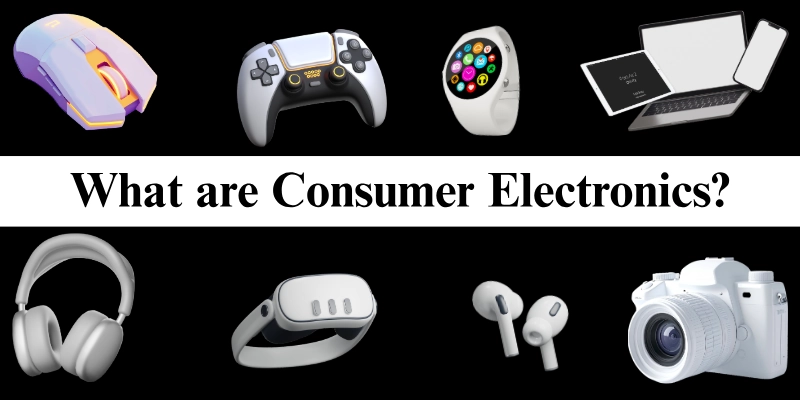
A device usually falls into this category when it is made for personal or household use rather than for factories, offices, or specialized industries. For example, a smartphone is made for everyday communication and entertainment, while industrial equipment may be built for a specific workplace task.
These products are designed with regular users in mind. They often focus on convenience, simple controls, useful features, and easy setup. As technology has improved, many devices have also become smaller, smarter, and easier to connect with other products.
How Do Consumer Electronics Work?
Most modern gadgets combine hardware and software to perform different tasks. Each part has a specific job that helps the product work properly.
- Electronic components: Parts such as circuits, batteries, memory, and displays help the device receive, process, and deliver information.
- Processors and chips: These act like the brain of a device by handling instructions and managing different functions.
- Sensors: They can detect things such as movement, light, temperature, sound, or touch.
- Software: Programs and operating systems tell the hardware what to do and allow users to control the device.
- Wireless connectivity: Technologies such as Wi-Fi and Bluetooth allow devices to communicate with the internet or connect with other products.
Together, these parts allow everyday devices to perform tasks quickly and smoothly without requiring users to understand the technology working inside them.
What Are the Main Types of Consumer Electronics?
There are many kinds of electronic devices, and each one serves a different purpose. Some help with communication and work, while others are mainly used for entertainment, fitness, or making the home more convenient.
Communication Devices
These products help people stay connected and access information from almost anywhere.
- Smartphones: Used for calls, messages, apps, internet browsing, and more.
- Tablets: Portable devices for browsing, reading, video calls, and entertainment.
- Wi-Fi routers: Connect devices to the internet and create a wireless network.
- Smartwatches: Show notifications and can support calls, messages, and other connected features.
Computing Devices
Computing products are mainly used for work, study, browsing, and handling digital tasks.
- Laptops: Portable computers for work, school, browsing, and entertainment.
- Desktop computers: Provide a larger setup for demanding tasks and everyday computing.
- Monitors: Display images and information from a computer or other connected device.
- E-readers: Designed mainly for reading digital books and documents.
Audio and Video Devices
These products focus on watching content or enjoying music and other sounds.
- Televisions: Used to watch shows, movies, live programs, and streaming services.
- Headphones: Let users listen to audio privately.
- Earbuds: Small, portable audio devices that fit inside or around the ears.
- Speakers: Play music, podcasts, and other sounds at a higher volume.
- Soundbars: Improve TV audio without requiring a large speaker system.
- Projectors: Display videos, images, or presentations on a larger surface.
Gaming Devices
Gaming products are built to provide interactive entertainment.
- Gaming consoles: Connect to a TV or display for playing video games.
- Handheld gaming devices: Allow users to play games while traveling or away from home.
- Gaming accessories: Include items such as controllers, headsets, keyboards, and mice.
Digital Imaging Devices
These devices help people capture and record photos and videos.
- Digital cameras: Capture high-quality still images and video.
- Camcorders: Designed mainly for recording video.
- Action cameras: Small, durable cameras made for travel, sports, and outdoor activities.
Wearable Electronics
Wearable products are designed to be used on the body and often provide health, fitness, or connected features.
- Smartwatches: Track activities, display notifications, and offer various apps.
- Fitness trackers: Monitor activities such as steps, movement, and exercise.
- Smart glasses: Combine glasses with digital features such as displays or audio.
- VR headsets: Create an immersive digital environment for gaming, learning, and other experiences.
Smart Home Electronics
These devices bring connected features and automation into the home.
- Smart speakers: Play audio and respond to voice commands.
- Smart thermostats: Help control the temperature based on settings, schedules, or sensors.
- Smart lights: Allow users to control lighting through apps, voice commands, or automation.
- Smart security cameras: Let homeowners monitor areas around or inside a property.
- Smart plugs: Add remote or automated control to compatible electrical devices.
Together, these categories show how widely modern technology is used, from communication and entertainment to work, fitness, and home convenience.
What Are Examples of Consumer Electronics?
Consumer electronics come in many forms, from devices used for communication to products made for entertainment and everyday tasks. Here are some common examples and what people typically use them for:
| Device | Common Use |
| Smartphone | Calls, messages, internet, and apps |
| Laptop | Work, study, browsing, and entertainment |
| Smart TV | Streaming shows, movies, and other content |
| Headphones | Listening to music, videos, and calls |
| Smartwatch | Notifications, fitness tracking, and time |
| Digital camera | Taking photos and recording videos |
| Gaming console | Playing video games and online gaming |
| Smart speaker | Voice commands, music, and basic home control |
| Tablet | Browsing, reading, apps, and entertainment |
These examples cover some of the most familiar devices people use at home, at work, or while traveling.
What Are Consumer Electronics Used For?
These devices are used for much more than watching TV or browsing the internet. They support communication, learning, work, entertainment, and many everyday activities.
- Communication
Phones, tablets, smartwatches, and other connected gadgets make it easy to stay in touch. People can make calls, send messages, join video meetings, and share files from almost anywhere.
- Entertainment
Televisions, headphones, speakers, and streaming devices provide easy access to movies, music, podcasts, and other content. Many products also connect to online services for a wider range of options.
- Work and Productivity
Laptops, desktop computers, monitors, and tablets help people complete work-related tasks. They can be used for writing documents, attending online meetings, managing files, and using different software.
- Education
Technology has made learning more flexible. Students can use laptops, tablets, e-readers, and other devices to attend online classes, read digital books, research topics, and practice new skills.
- Home Automation
Connected products can make household tasks more convenient. Smart lights, thermostats, plugs, speakers, and security cameras can often be controlled through an app, voice command, or automatic schedule.
- Gaming
Gaming consoles, handheld systems, computers, and related accessories provide interactive entertainment. Many modern systems also support online multiplayer games and digital downloads.
- Photography and Content Creation
Digital cameras, smartphones, microphones, and video equipment help users create photos, videos, and other digital content. These tools are useful for personal projects, social media, and professional work.
- Personal Fitness and Tracking
Smartwatches and fitness trackers can record activities such as walking, running, workouts, and daily movement. Some models also provide reminders and other useful information to help users stay active.
What Is the Difference Between Consumer Electronics and Home Appliances?
Both types of products are common in modern homes, but they usually serve different purposes. Consumer electronics mainly help with communication, entertainment, computing, or accessing digital content, while home appliances are generally designed to handle household tasks.
| Consumer Electronics | Home Appliances |
| Smartphones | Refrigerators |
| TVs | Washing machines |
| Laptops | Dishwashers |
| Headphones | Ovens |
| Gaming consoles | Air conditioners |
The difference is not always clear-cut. Many newer appliances now include screens, Wi-Fi, sensors, apps, and other connected features. For example, a smart refrigerator can connect to the internet and provide digital controls. Because of this, some modern products can fit into both categories depending on how they are designed and used.
Benefits of Consumer Electronics
Modern electronic devices can make many daily activities easier and more enjoyable. Their benefits depend on the type of product, but several advantages are common across different devices.
- Better Communication
Smartphones, tablets, and connected watches help people stay in touch. Users can make calls, send messages, share files, and take part in video calls without being in the same place.
- Easy Access to Information
A connected device can provide quick access to websites, digital books, news, maps, and educational resources. This makes finding information much easier than relying only on printed materials.
- Entertainment
Smart TVs, headphones, speakers, gaming systems, and other products provide different ways to relax. Users can watch videos, listen to music, play games, or enjoy other digital content.
- Productivity
Computers and tablets can help people complete tasks more efficiently. They support activities such as writing, planning, editing, online meetings, and managing files.
- Convenience
Many products save time by making everyday tasks simpler. Features such as voice control, remote access, automatic settings, and mobile apps can reduce the need for manual actions.
- Home Automation
Connected devices can work together to manage different parts of a home. For example, users can schedule lights, adjust temperature settings, or check security cameras from a phone.
- Personalization
Many modern products allow users to adjust settings according to their needs. This can include preferred display options, sound levels, notifications, app layouts, and other features.
Disadvantages of Consumer Electronics
Although modern devices offer many benefits, they also have some drawbacks. The main concerns involve cost, waste, privacy, security, and how much people rely on technology.
- High Cost
New products can be expensive, especially models with advanced features. Prices can also increase when users need extra accessories, repairs, or subscriptions.
- Electronic Waste
Old or damaged devices often end up as electronic waste. If they are not recycled properly, their materials can harm the environment and add to the growing amount of waste.
- Privacy Concerns
Some connected products collect information about how they are used. Without proper privacy settings, personal data may be shared or stored in ways users do not expect.
- Security Risks
Internet-connected devices can be exposed to hacking, malware, or unauthorized access. Using strong passwords, updating software, and securing home networks can help reduce these risks.
- Short Product Lifecycles
Technology changes quickly, and newer models often appear within a short time. Older products may eventually stop receiving software updates or become incompatible with newer services.
- Dependence on Technology
Relying heavily on digital devices can make everyday activities difficult when there is a power outage, internet problem, or device failure. Excessive use can also reduce time spent on offline activities.
How Have Consumer Electronics Changed Over Time?
The devices people use today are very different from those available decades ago. Technology has moved from large, simple products to smaller devices with better performance, digital features, and internet connectivity.
Here is a simple timeline of how they developed:
- Early radios: Radio was one of the first widely used electronic products for receiving news, music, and other broadcasts at home.
- Televisions: TVs brought moving pictures into homes and became a major source of news and entertainment.
- Personal computers: Computers became smaller and more affordable, making them useful for homes, schools, and offices.
- Digital cameras: These replaced much of the need for film and made it easier to take, store, and share photos.
- Mobile phones: Phones moved beyond simple calling and gradually gained features such as messaging, cameras, and internet access.
- Smartphones: Modern phones combined communication, computing, photography, and entertainment in one portable device.
- Smart TVs: TVs gained internet access, apps, streaming services, and other digital features.
- Wearables: Smartwatches and fitness trackers made it possible to carry useful digital features on the body.
- Smart home devices: Products such as connected lights, speakers, thermostats, and cameras brought more automation into homes.
This progress was driven by improvements in transistors, computer chips, digital technology, batteries, and wireless connections. As these technologies became more advanced, products became more capable while often becoming smaller and easier to use.
What Technologies Are Used in Consumer Electronics?
Modern devices rely on several technologies to perform tasks, connect with other products, and respond to users. These systems work together in the background, so people can use the device without needing to understand its technical details.
- Microprocessors and Chips
Microprocessors handle instructions and help a device perform different operations. Other chips can manage tasks such as memory, graphics, power, or communication.
- Bluetooth
Bluetooth allows nearby devices to connect wirelessly over short distances. It is commonly used for headphones, keyboards, speakers, smartwatches, and other accessories.
- Wi-Fi
Wi-Fi provides wireless access to the internet and local networks. It allows products such as laptops, TVs, and smart home devices to connect without physical network cables.
- Touchscreens
Touchscreens let users control a product by tapping, swiping, or pressing items on the display. They are common in smartphones, tablets, smartwatches, and many modern appliances.
- Sensors
Sensors collect information from the surrounding environment or from the user. Depending on the product, they may detect movement, light, temperature, sound, or touch.
- Artificial Intelligence
AI allows devices to perform tasks that normally require some level of human-like decision-making. It can support features such as voice recognition, image processing, recommendations, and automatic adjustments.
- Internet of Things (IoT)
IoT connects physical devices to the internet so they can exchange information and work with other systems. Smart lights, thermostats, cameras, and appliances are common examples.
- Cloud Connectivity
Cloud services allow devices to send, receive, and store information online. This can make features such as remote access, backups, synchronization, and account-based settings possible.
Together, these technologies make modern devices more connected, responsive, and useful without adding unnecessary complexity for the user.
What Is the Role of AI in Consumer Electronics?
Artificial intelligence is becoming a common part of modern devices. It helps products understand information, recognize patterns, and make certain tasks easier for users.
- AI-Powered Smartphones
AI can improve features such as photo quality, voice typing, translation, battery management, and image editing. Some phones can also perform tasks directly on the device without sending every request to the cloud.
- Voice Assistants
Voice assistants use AI to understand spoken commands and respond to questions or requests. They can help users set reminders, check information, play music, or control compatible devices.
- Smart Cameras
AI can help cameras recognize people, objects, or unusual activity. This can make features such as motion detection and alerts more useful.
- AI TVs
Modern TVs can use AI to improve picture and sound settings based on the content being played. Some models also use voice features and smart recommendations.
- Personalized Recommendations
AI can learn from a user’s activity to suggest content that may interest them. Streaming platforms, music apps, and shopping services commonly use this approach.
- Smart Home Automation
AI can help connected devices respond to routines and changing conditions. For example, a system may adjust lighting or temperature based on user habits or sensor information.
- AI-Powered Wearables
Smartwatches and other wearable devices can use AI to analyze activity patterns and provide useful insights. These features can help users better understand their daily routines and fitness activities.
Overall, AI is making everyday technology more responsive and personalized while reducing the amount of manual control users need to provide.
What is the Future of Consumer Electronics?
The future of everyday technology will likely focus on making devices smarter, more connected, efficient, and easier to use. New improvements will also aim to reduce power use and make different products work together more smoothly.
- More AI-Powered Devices
AI will become a bigger part of phones, TVs, cameras, computers, and other products. It may help devices understand users better and handle more tasks automatically.
- Smarter Homes
Connected home products will become better at working together. Lights, thermostats, cameras, smart locks, and other devices may follow routines and respond to changes with less manual input.
- More Connected Devices
More everyday products are expected to connect to the internet and communicate with other devices. This can make it easier to control and manage them from a single app or system.
- Improved Wearable Technology
Wearables such as smartwatches and smart glasses are likely to become smaller, more comfortable, and more capable. Better sensors may also allow them to provide more useful information.
- Better Battery Technology
Longer-lasting batteries could reduce how often devices need to be charged. Improvements in charging speed and battery design may also make portable products more convenient.
- More Energy-Efficient Products
Manufacturers are working toward products that use less power while maintaining good performance. This can help reduce energy consumption during everyday use.
- Greater Device Interoperability
Different brands and product types may become easier to connect and control together. Better compatibility can give users more freedom when building a connected home or choosing new devices.
Are Consumer Electronics Environmentally Friendly?
Electronic devices can make life easier, but their production, use, and disposal can also affect the environment. The impact depends on factors such as how much energy a product uses, how long it lasts, and what happens to it after it is no longer needed.
Electronic Waste
Old phones, computers, TVs, and other devices can become electronic waste when they are thrown away. Some contain materials that can be harmful if they are not handled and disposed of properly.
Energy Consumption
Devices need electricity during use, and some products consume more power than others. Choosing energy-efficient models and turning off equipment when it is not needed can help reduce unnecessary energy use.
Recycling
Recycling allows useful materials from old products to be recovered and reused. Instead of putting unwanted electronics in regular household trash, users should take them to suitable recycling or collection programs.
Longer Product Lifespans
Keeping a device for a longer period can reduce the need to replace it frequently. Proper care, repairs, and software updates can sometimes help extend its useful life.
Sustainable Product Design
Manufacturers can reduce environmental impact by using recycled materials, improving energy efficiency, making products easier to repair, and reducing unnecessary packaging. These choices can make products more sustainable throughout their lifecycle.
How to Choose Consumer Electronics
Choosing the right device is easier when you focus on what you actually need instead of paying for features you may never use. A few simple checks can help you make a better buying decision.
Check Your Needs
Start by deciding what you want the product to do. Think about where you will use it, how often you will use it, and which features are truly important to you.
Compare Features
Look at the main features of different models and see how they match your needs. Avoid choosing a product simply because it has more features, as extra functions may not always be useful.
Consider Compatibility
Make sure the device works with your existing products, operating system, apps, or accessories. This is especially important when buying smart home products or devices that need to connect with each other.
Check Reliability and Reviews
Read reviews from trusted sources and look for feedback about performance, build quality, and common problems. A product with good specifications may not always provide a good real-world experience.
Consider Price
Set a budget before shopping and compare several options within that range. A higher price does not automatically mean a better choice, so focus on the value you will get from the product.
Check Warranty
Look at the warranty period and find out what it covers. A clear warranty can provide extra protection if the product develops a problem after purchase.
Consider Energy Efficiency
If the device will run for long periods, check how much power it uses. An energy-efficient model can help lower electricity use over time.
Think About Long-Term Use
Consider whether the product will remain useful as your needs change. Software support, repair options, available accessories, and build quality can all affect how long you can continue using it.
Conclusion
In simple terms, consumer electronics are electronic products made mainly for personal or household use. They are now a normal part of daily life, helping people communicate, work, learn, relax, and manage their homes.
Smartphones, computers, TVs, headphones, wearables, and smart home products all show how technology has become closely connected to everyday activities. As these products continue to improve, they are likely to become even more useful, connected, and easier to use.
FAQs
Still have questions? Check out the FAQs below for quick and simple answers about consumer electronics.
In simple terms, they are electronic products made for people to use in their homes or personal lives. They can help with communication, entertainment, work, learning, and other everyday activities.
Five common examples include:
- Smartphones
- Laptops
- Televisions
- Headphones
- Digital cameras
These products serve different purposes, from communication to entertainment and content creation.
The most familiar products include smartphones, computers, TVs, tablets, headphones, smartwatches, and gaming systems. Their popularity comes from how often people use them for daily tasks and leisure.
Yes. A laptop can be considered one because it is widely designed and sold for personal use. People use it for activities such as studying, browsing, communication, and general computing.
Yes. A smartphone fits this category because it is made for individual users and combines several functions in one portable device.
Yes, many smart home products fall into this group. Devices such as connected lights, speakers, plugs, and cameras are made to provide digital features and remote control in homes.
Electronics is a broad term that covers products and systems that use electronic circuits. Consumer electronics is a more specific group intended mainly for personal or household users.
The main difference is their usual purpose. Electronics often focus on communication, computing, or entertainment, while appliances are generally made to perform household tasks such as cooling, washing, or cooking.
They have made many everyday activities faster and more convenient. They give people easier access to communication, information, digital services, entertainment, and connected tools.
Future products are expected to become more intelligent, energy-efficient, and connected. Improvements in AI, batteries, smart home systems, and device compatibility will likely shape how people use technology.





- Be Respectful
- Stay Relevant
- Stay Positive
- True Feedback
- Encourage Discussion
- Avoid Spamming
- No Fake News
- Don't Copy-Paste
- No Personal Attacks
- Be Respectful
- Stay Relevant
- Stay Positive
- True Feedback
- Encourage Discussion
- Avoid Spamming
- No Fake News
- Don't Copy-Paste
- No Personal Attacks
