What is a Smartwatch? Features, Uses & Benefits
Published: 7 Dec 2025
A smartwatch is like a mini-computer on your wrist that helps you in daily life. But what is a smartwatch, and why has it become so popular today? Smartwatches are more than just a fashion accessory; they are handy gadgets that keep you connected and organized.
People use them for tracking fitness, receiving notifications, making calls, and even making payments. With so many features packed into a small device, it’s no wonder smartwatches are becoming an essential part of everyday life.
In this guide, we will learn about what is a smartwatch, its features, uses & benefits.
What is a Smartwatch?
A smartwatch is a small computer that you wear on your wrist. It does many things a smartphone can do, but in a more convenient and quicker way. You can think of it as a mini version of your phone that stays with you all the time.
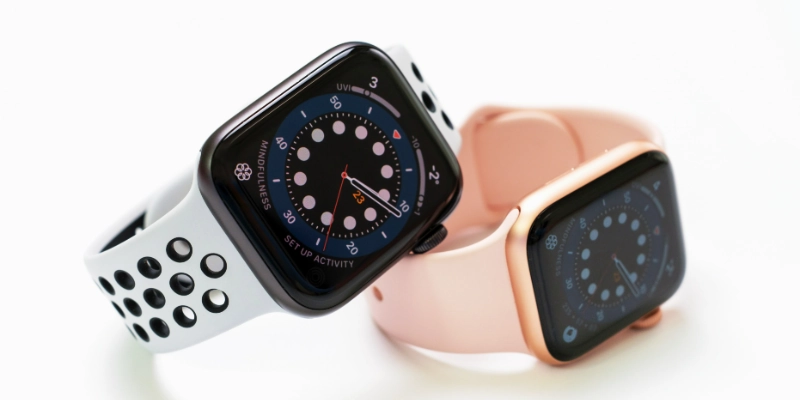
Smartwatches usually connect to your smartphone through Bluetooth or Wi-Fi. This connection lets you get notifications, answer calls, and control apps directly from your wrist. For example, you can receive messages without picking up your phone or track your steps and heart rate while exercising.
How Does a Smartwatch Work?
A smartwatch works by connecting to your smartphone using Bluetooth or Wi-Fi. This connection allows it to show notifications, messages, and calls from your phone directly on your wrist.
Inside a smartwatch, there are small sensors that help it track different activities. For example, a heart rate sensor monitors your pulse, a GPS tracks your location, and an accelerometer counts your steps and movement.
You interact with a smartwatch mainly through its touchscreen. You can swipe, tap, and scroll to open apps, check notifications, or control music. Some smartwatches also let you use voice commands for even easier control.
Types of Smartwatches
Smartwatches are not all the same; they come in different styles and designs for different needs. Some focus on fitness, some on fashion, and some are made especially for kids or those who like a classic watch look.
Fitness Smartwatches
Fitness smartwatches focus on health and sports tracking. They monitor your steps, heart rate, calories burned, sleep patterns, and even workouts. These watches are perfect for people who want to stay active and healthy.
Hybrid Smartwatches
Hybrid smartwatches look like a traditional watch but include smart features. They usually have a normal watch face with hidden notifications, fitness tracking, or basic smartphone alerts. This type is ideal for people who want a classic style without losing smart functions.
Luxury/Smart Fashion Watches
Luxury smartwatches are high-end, stylish watches with smart functions. They combine fashion with technology, letting you receive notifications, track health, and use apps, all while looking elegant.
Kids’ Smartwatches
Kids’ smartwatches have simple features focused on safety and fun. Many include GPS tracking, emergency calling, games, and fitness tracking to help parents keep their children safe and entertained.
Key Features of a Smartwatch
Smartwatches come with many useful features that make daily life easier and more fun. Here are the main features you can find:
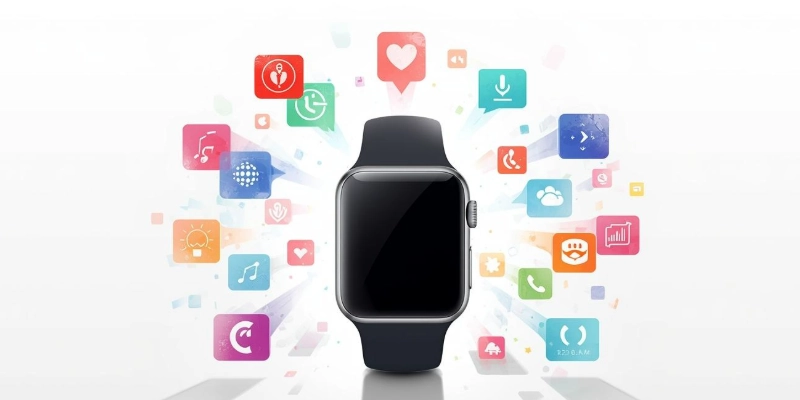
- Notifications: Receive calls, messages, and alerts from social apps directly on your wrist.
- Fitness Tracking: Track steps, calories burned, and sleep patterns to stay healthy.
- Health Monitoring: Monitor your heart rate, blood oxygen, and other vital signs.
- GPS & Navigation: Find directions and track your location while running or travelling.
- Music Control & Apps: Play, pause, or skip music and use apps without taking out your phone.
- Payment Options (NFC): Make payments quickly using NFC-enabled smartwatches.
- Voice Assistant: Use Siri, Google Assistant, or other voice assistants for easy control.
These features make smartwatches a handy companion for both health and productivity.
Benefits and Limitations of Using a Smartwatch
Smartwatches offer many advantages, but they also have some limitations. They make life easier by keeping you connected, helping with fitness, and providing quick access to apps. Here’s a quick comparison of their benefits and limitations:
| Benefits | Limitations |
| Keeps you connected with notifications and calls | Can be expensive |
| Tracks fitness and health activities | Needs frequent charging |
| Convenient access to apps and music | A smaller screen can be hard to use |
| Supports mobile payments via NFC | Limited app functionality compared to smartphones |
| Voice assistant makes tasks easier | It may not replace a smartphone completely |
Real-Life Uses of Smartwatches
Smartwatches are useful in many ways in daily life. Here are some common real-life uses:

- Fitness & Running: Track your steps, distance, and workouts to stay healthy and active.
- Sleep Tracking: Monitor your sleep patterns to improve rest and energy.
- Heart Rate Monitoring: Keep an eye on your heart rate during exercise or daily activities.
- Payment & Wallet Replacement: Make quick payments using NFC without carrying cash or cards.
- Notifications & Calls: Receive messages, calls, and alerts directly on your wrist.
- Navigation: Use GPS for directions while walking, running, or travelling.
- Safety & Emergency Alerts: Some smartwatches can send SOS alerts or share your location in emergencies.
These features make smartwatches more than just a gadget; they become a helpful companion in everyday life.
Smartwatch Comparison Table
Smartwatches come in different types, each designed for specific needs, styles, and age groups. They also differ from regular watches in features, connectivity, and usability.
This table will help you easily compare smartwatch types, their features, and how they stack up against regular watches.
| Category | Fitness Smartwatch | Hybrid Smartwatch | Luxury/Smart Fashion Watch | Kids’ Smartwatch | Regular Watch |
| Appearance | Sporty, lightweight | Classic analogue look | Stylish, premium | Colourful, fun | Traditional design |
| Smart Features | Fitness & health tracking, notifications | Basic notifications, hidden smart features | Notifications, apps, fitness | Simple notifications, GPS safety | None |
| Fitness Tracking | ✅ Steps, calories, workouts, heart rate | ⚪ Limited | ⚪ Some | ⚪ Limited | ❌ None |
| Health Monitoring | ✅ Heart rate, sleep tracking | ⚪ Limited | ⚪ Some | ⚪ Limited | ❌ None |
| Connectivity | ✅ Bluetooth/Wi-Fi | ✅ Bluetooth | ✅ Bluetooth/Wi-Fi | ✅ Bluetooth | ❌ None |
| GPS & Navigation | ✅ Yes | ⚪ Limited | ⚪ Some | ✅ Yes | ❌ None |
| Music & Apps | ✅ Yes | ⚪ Limited | ✅ Yes | ⚪ Limited | ❌ None |
| Payments (NFC) | ✅ Some models | ❌ No | ✅ Some models | ❌ No | ❌ None |
| Voice Assistant | ✅ Some models | ❌ No | ✅ Some models | ❌ No | ❌ None |
| Target Users | Fitness enthusiasts | People who like classic style | Fashion-conscious users | Kids and safety-focused users | General users |
Buying Guide: How to Choose a Smartwatch?
Choosing the right smartwatch can be tricky because there are so many options. Here are some important factors to consider before buying:
- Budget: Decide how much you are willing to spend. Smartwatches come in low, mid, and high price ranges.
- Purpose: Think about why you need it, fitness tracking, fashion, safety for kids, or general use.
- OS Compatibility: Make sure the smartwatch works with your smartphone. Some work better with iOS, while others are better for Android.
- Battery Life: Check how long the battery lasts. Some smartwatches need charging every day, while others can last several days.
- Features Needed: Decide which features are essential for you, like GPS, music control, health tracking, or mobile payments.
- Display Type: Choose a display that suits your preference, AMOLED for bright colours or LCD for battery efficiency.
- Brand Reputation: Consider trusted brands for better quality, durability, and customer support.
By keeping these points in mind, you can pick a smartwatch that fits your needs perfectly.
Tips for Using a Smartwatch
Using a smartwatch becomes easier when you follow a few simple tips. These small habits help you get better performance, longer battery life, and more accurate health results.
- Pair It Properly: Connect your smartwatch to your phone correctly so you get all notifications, calls, and app alerts without missing anything.
- Keep It Charged: Charge your smartwatch regularly so it’s ready for use throughout the day.
- Update Apps & Software: Keep your watch updated to enjoy new features, better speed, and improved security.
- Use Health Tracking Wisely: Wear your watch correctly on your wrist for accurate heart rate, steps, and sleep tracking.
- Protect It From Water & Scratches: If your smartwatch is not waterproof, avoid water and use a screen protector to prevent scratches.
Conclusion
In this guide, we learned what is a smartwatch and how this small device makes daily life easier and smarter. A smartwatch is more than a gadget; it’s your fitness helper, mini phone, quick payment tool, and safety partner, all on your wrist.
As technology grows, smartwatches will become even better and more powerful. Choosing the right one can make it a helpful everyday tool that keeps you connected and organized.
In the end, a smartwatch is not just a device; it becomes a smart part of your life.
FAQs
Ready for more clarity? The FAQs below have every answer you need!
A smartwatch helps you stay connected without checking your phone. It tracks your health, fitness, and daily activity. It also gives quick access to apps, alerts, and tools on your wrist.
Yes, some smartwatches with LTE or eSIM can work without a phone. You can make calls, receive messages, and use apps independently. Regular Bluetooth models need your phone nearby.
Yes, many smartwatches allow calling. Some use Bluetooth to connect to your phone, while others have their own SIM support. Both can handle basic calling needs.
It is not necessary, but it is very helpful. A smartwatch makes daily tasks faster and more convenient. It adds extra features that improve fitness, safety, and productivity.
Yes, but only if it has cellular or Wi-Fi support. These models can run apps and send messages on their own. Basic models still need a phone for most functions.
Check compatibility with your phone’s OS. Look for features that match your needs, like GPS, health tracking, or payments. Also consider battery life, display quality, and brand reliability.
They need frequent charging. Some models are expensive for the features they offer. Also, the small screen can limit how much you can do comfortably.






- Be Respectful
- Stay Relevant
- Stay Positive
- True Feedback
- Encourage Discussion
- Avoid Spamming
- No Fake News
- Don't Copy-Paste
- No Personal Attacks
- Be Respectful
- Stay Relevant
- Stay Positive
- True Feedback
- Encourage Discussion
- Avoid Spamming
- No Fake News
- Don't Copy-Paste
- No Personal Attacks
