What Are Earbuds? Types, Uses & How They Work
Published: 24 Nov 2025
Do you enjoy listening to music, podcasts, or calls on the go? That’s where earbuds come in! These tiny devices have changed the way we enjoy sound, making it easy to carry music and calls right in our pockets.
In this article, we will explain what earbuds are, their types, main features, advantages, disadvantages, and how to choose the right pair for you. Whether you are new to earbuds or just want to know more, this beginner-friendly guide will make everything simple and easy to understand.
By the end, you’ll clearly know the earbuds’ meaning, their definition, and how to pick the perfect pair for your lifestyle.
What Are Earbuds?
Earbuds are tiny headphones that sit directly inside your ears, allowing you to listen to music, podcasts, or calls privately. Unlike big over-ear headphones, earbuds are small, lightweight, and portable. Their in-ear design makes them easy to carry anywhere, even in your pocket.
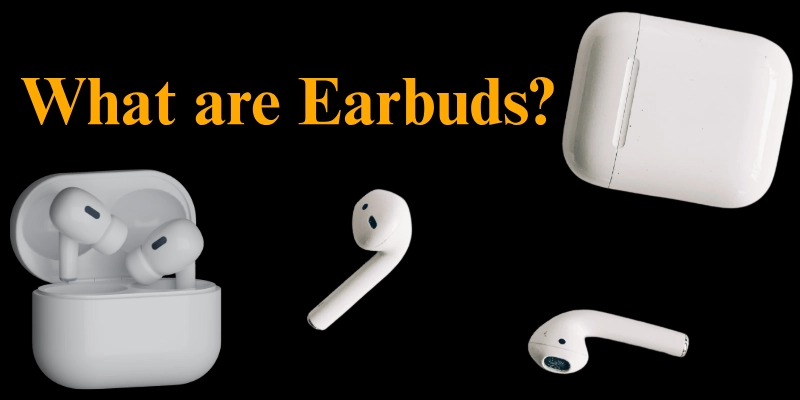
For beginners, earbuds are simple to use and don’t take up much space. They are perfect if you like listening on the go or while exercising.
Some popular examples of earbuds include Apple AirPods, Samsung Galaxy Buds, and Sony WF-1000XM. These show how compact and convenient earbuds can be while still offering high-quality sound.
In short, if you want a portable, in-ear headphone option that fits your lifestyle, earbuds are the way to go.
History of Earbuds
The story of earbuds goes back several decades. The first earbuds appeared in the 1960s and 1970s as small earphones used with radios and early audio devices. They were simple, wired, and not very common.
Earbuds became widely popular with the rise of MP3 players and smartphones in the early 2000s. People loved the convenience of carrying music anywhere without bulky headphones.
Today, the evolution of earbuds has led to modern wireless Bluetooth earbuds, like AirPods and Galaxy Buds, offering high-quality sound, long battery life, and smart features like touch controls and voice assistants.
Understanding the history of earbuds helps you see how far these tiny devices have come, from basic wired earphones to powerful, wireless gadgets we use every day.
Types of Earbuds
Earbuds come in different types, each with unique features. Here’s a simple guide to help you understand the main types of earbuds:
- Wired Earbuds:
Wired earbuds connect to devices using a cable. They are simple, reliable, and usually less expensive. These earbuds are common with older devices and for people who prefer a straightforward design. - Wireless Earbuds:
Wireless earbuds connect via Bluetooth, so no cables are needed. They are convenient for daily use and allow more freedom of movement. Popular examples include Apple AirPods and Samsung Galaxy Buds. - True Wireless Earbuds (TWS):
TWS earbuds have no cable connecting the two earbuds. Each earbud works independently, and they usually come with a small charging case for easy portability. This type is popular for both casual listeners and fitness enthusiasts. - Noise-Cancelling Earbuds:
Noise-cancelling earbuds reduce outside noise, giving you clear and immersive sound even in busy places. A well-known example is the Sony WF-1000XM4.
Here’s a quick comparison table:
| Type | Example | Main Feature |
| Wired Earbuds | Generic wired earbuds | Connects via cable, simple design |
| Wireless Earbuds | Apple AirPods, Samsung Galaxy Buds | Bluetooth connection, no wires |
| TWS Earbuds | Apple AirPods Pro, Samsung Galaxy Buds Pro | No cable between earbuds, portable charging case |
| Noise-Cancelling Earbuds | Sony WF-1000XM4 | Blocks outside noise for clear sound |
How Earbuds Work?
Understanding how earbuds work is simple and interesting. Earbuds technology combines tiny speakers, Bluetooth, and smart features to deliver clear sound.
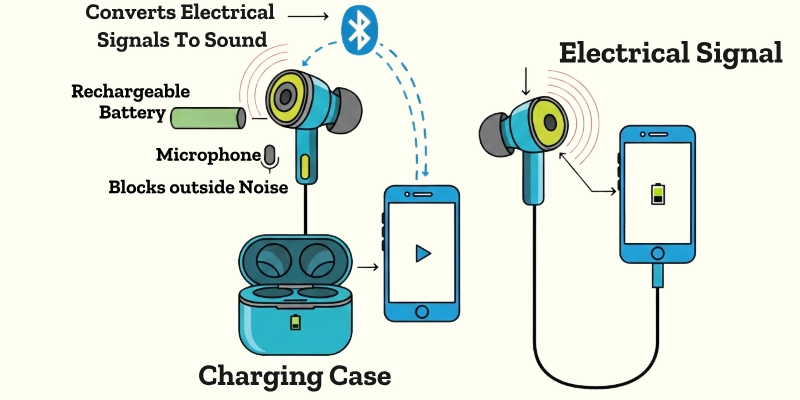
Knowing that in-ear headphones work helps you see why these small devices are so powerful and convenient.
- Tiny speakers: Convert electrical signals from your device into sound you can hear.
- Bluetooth connection: Wireless earbuds use Bluetooth to connect to phones, tablets, or computers.
- Noise-cancelling microphones: Detect outside noise and reduce it for clear audio.
- Rechargeable battery: Wireless earbuds store power in a small battery for hours of use.
- Charging case: Provides extra charges on the go for convenience and portability.
This simple breakdown shows exactly how earbuds work, the technology behind them, and how in-ear headphones work to make your listening experience so smooth.
Features of Modern Earbuds
Modern earbuds come with many useful features that make listening more convenient and enjoyable. Here are the main earbuds features you should know:
- Compact and portable: Small size makes them easy to carry anywhere.
- Wireless connectivity: Most modern earbuds use Bluetooth for cable-free listening.
- Noise cancellation: Blocks outside noise for clear sound in busy environments.
- Touch controls or buttons: Control music, calls, and volume directly on the earbuds.
- Charging case (for wireless earbuds): Stores extra power for multiple charges on the go.
- Water-resistant or sweatproof: Ideal for sports, workouts, or rainy weather.
These modern earbuds’ features make them versatile for everyday use, travel, and fitness. The wireless earbuds’ features, like Bluetooth connection, touch controls, and charging cases, are especially convenient for users who want freedom and portability.
Uses of Earbuds in Daily Life
Earbuds are small but very useful in everyday life. For beginners, earbuds for daily life are practical, portable, and enhance many activities from studying to exercising.
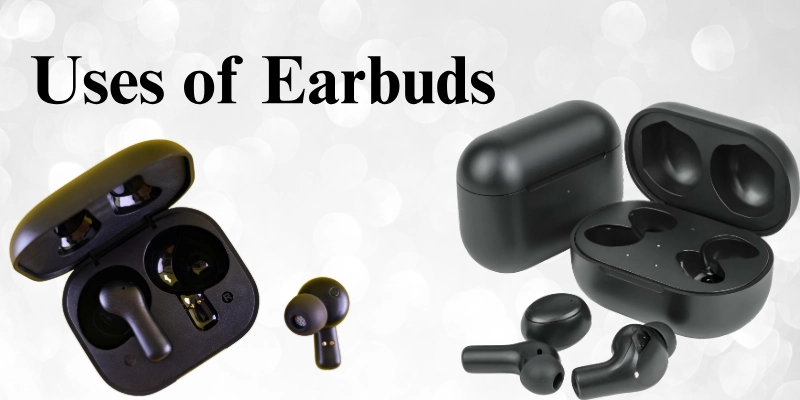
Here are the main uses of earbuds:
- Listening to music, podcasts, or audiobooks: Perfect for enjoying audio without disturbing others. Earbuds for music make it easy to carry your favourite tunes anywhere.
- Attending online classes or meetings: Ideal for clear sound during virtual learning or work calls.
- Hands-free calling: Talk on the phone without holding it, thanks to built-in microphones.
- Watching movies or videos: Enjoy immersive audio on your phone, tablet, or laptop.
- Fitness and sports use: Runners and gym-goers often use sweatproof wireless earbuds for workouts.
Advantages and Disadvantages of Earbuds
Earbuds are convenient, but like any device, they have both good and bad sides. Here’s a clear guide to the benefits and drawbacks of earbuds:
| Feature | Advantages | Disadvantages |
| Portability | Small and easy to carry | Easy to lose |
| Connectivity | Wireless freedom | Battery limits |
| Noise & Sound | Noise-cancelling for clear audio | May lack deep bass |
| Usability | Hands-free calls and controls | Fit may be uncomfortable |
| Cost | Affordable options available | Some premium models are expensive |
This table makes it easy to understand the pros and cons of earbuds, helping beginners decide which type suits their needs best.
How to Choose the Right Earbuds?
Choosing the right earbuds can seem tricky, but it’s simple if you know what to look for. This earbuds buying guide will help you pick the best earbuds for your needs.
- Decide between wired or wireless: Wired earbuds are simple and reliable, while wireless earbuds offer freedom of movement.
- Check battery life (for wireless earbuds): Look for earbuds that last long enough for your daily use.
- Comfort and fit: Choose earbuds that fit well for long listening sessions. Different sizes of ear tips can help.
- Sound quality: Consider bass, treble, and overall clarity to suit your listening preferences.
- Noise cancellation and water resistance: Noise-cancelling earbuds are great for busy places, and water-resistant ones are ideal for workouts.
- Price and brand reliability: Pick a brand you trust and a price that fits your budget.
Following this guide makes it easy to understand how to choose earbuds and ensures you get a pair that matches your lifestyle and listening needs.
| Tip |
|---|
|
Try different sizes of ear tips to get the perfect fit and comfort for your ears. |
Future of Earbuds
The future of earbuds looks exciting with many new features on the way. These innovations show how modern earbud technology will continue to improve convenience, comfort, and functionality, making earbuds an even more essential part of daily life.
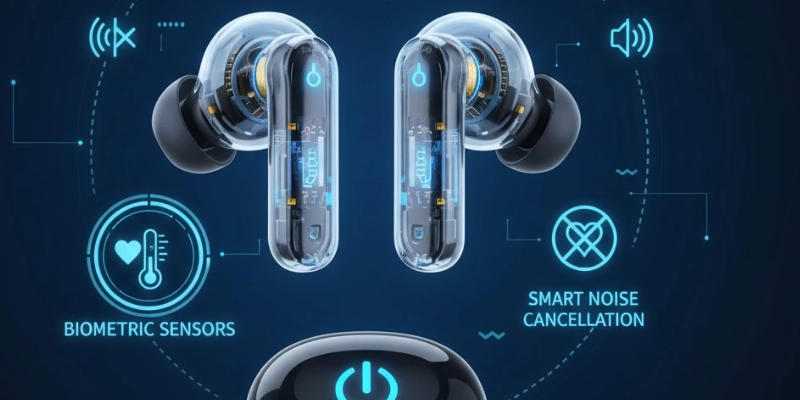
Here’s what we can expect from upcoming earbuds and modern earbud technology:
- Earbuds will become even smaller while lasting longer on a single charge.
- Expect smarter systems that block more outside noise for an immersive listening experience.
- Future earbuds may include voice assistants, automatic sound adjustments, and personalized recommendations.
- Some earbuds will track heart rate, body temperature, and other health data while you listen.
Conclusion
Earbuds are small but powerful devices that let you listen to music, calls, and podcasts privately. They come in different types like wired, wireless, TWS, and noise-cancelling earbuds, each suited for different needs.
From enjoying music to hands-free calls and workouts, earbuds make daily life easier.
Earbuds are tiny gadgets that make listening convenient, whether at home, work, or on the go.
FAQs
Looking for quick tips and answers about earbuds? Read on!
Earbuds let you listen to music, podcasts, or calls privately without disturbing others. They are small and portable, making them ideal for travel or daily use. Many people also use them for workouts or online meetings.
Earbuds have tiny speakers that convert electrical signals into sound you can hear. Wireless earbuds use Bluetooth to receive signals from your device. Noise-cancelling models also have microphones to block outside noise for clear audio.
Yes, wireless earbuds do not need the internet to play audio stored on your device. The Internet is only needed if you are streaming music or online content. Otherwise, they function like normal wired headphones with local files.
Using earbuds at high volume for long periods can cause hearing damage. Poorly fitting earbuds may also cause ear pain or discomfort. Sharing earbuds with others can increase the risk of ear infections.
Turn on your earbuds and enable Bluetooth on your phone. Search for the earbuds in your Bluetooth list and select them to pair. Once connected, you can start listening to music or making calls.
Yes, most modern earbuds have built-in microphones for calls. You can answer or reject calls using touch controls or buttons. Wireless earbuds make it convenient to talk hands-free while on the move.
Earbuds are the physical devices you wear in your ears. Bluetooth is the wireless technology that allows earbuds to connect to phones or computers without cables. Some earbuds can be wired or Bluetooth-enabled, depending on the model.
Do not expose them to water if they are not water-resistant. Avoid dropping or pressing them too hard, as it can damage the internal components. Also, don’t leave them in extreme heat or cold for long periods.
Earbuds are smaller, lighter, and easier to carry than bulky headphones. They allow more freedom of movement, especially during workouts or travel. Many also find them less noticeable and more comfortable for casual use.
Most earbuds work with any phone that supports Bluetooth or has a compatible headphone jack. Some advanced features, like touch controls or voice assistants, may only work with specific phone brands. Always check compatibility before buying to avoid issues.






- Be Respectful
- Stay Relevant
- Stay Positive
- True Feedback
- Encourage Discussion
- Avoid Spamming
- No Fake News
- Don't Copy-Paste
- No Personal Attacks
- Be Respectful
- Stay Relevant
- Stay Positive
- True Feedback
- Encourage Discussion
- Avoid Spamming
- No Fake News
- Don't Copy-Paste
- No Personal Attacks
