What is a Drone & How Does it Work?
Published: 11 Dec 2025
A drone is a small flying machine that works without a pilot inside it, and in simple words, it is a device you control from the ground to take photos, record videos, or do different tasks. Here you will learn the basic drone meaning, an easy drone definition, how drones work, and what beginners should know before using one.
Drones matter today because people use them in daily life, for hobby flying, for capturing beautiful pictures, and even in big industries like farming, delivery, and construction. Their popularity is growing fast as more people discover how useful and fun drones can be.
What is a Drone?
A drone is an unmanned aircraft that can fly without a pilot inside it. It is usually controlled from the ground using a remote controller, but it can also follow pre-programmed instructions to fly on its own.
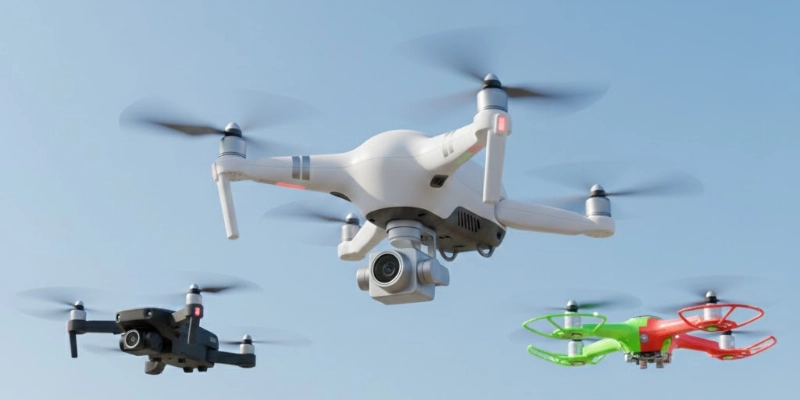
A drone is a smart flying machine that works without a human on board.
- A drone is an aircraft that flies without a pilot sitting inside it.
- It is usually controlled from the ground with a remote controller.
- It can also follow pre-programmed instructions to fly on its own.
- It functions as an unmanned aircraft designed for different tasks.
- It is simple to operate, which makes it a good choice for beginners.
How the Name “Drone” Originated?
The name “drone” came from early military unmanned aerial vehicles, or UAVs, which made a buzzing sound like a bee. These aircraft flew without a pilot, and over time, the word “drone” became an easy way to describe any unmanned aerial vehicle.
A UAV is just another name for a drone, and it refers to any aircraft that flies on its own or through remote control.
- The name “drone” began with early military UAVs that made a buzzing, drone-like sound.
- A UAV is a type of aircraft that flies without a human inside it.
- The unmanned aerial vehicle, meaning describes any aircraft controlled remotely or programmed to fly automatically.
- The term “drone” became popular because it was easier to say and understand.
- This history helps beginners understand how the modern drone evolved from early military technology.
Types of Drones
Drones are unmanned aircraft used for a variety of purposes, from recreational flying to professional applications. They come in different types depending on their design, capabilities, and intended use.
Understanding these types helps users choose the right drone for their needs.
- Consumer Drones: Designed for photography, videography, and recreational use, such as mini camera drones.
- Professional Drones: Used in industries like filmmaking, agriculture, surveying, and inspections, offering advanced features.
- Toy Drones: Lightweight and easy to operate, ideal for beginners and hobbyists.
- Specialized Drones: Built for specific tasks, including racing drones, underwater drones, and delivery drones.
How Drones Work?
Drones are smart flying machines that combine several components and technologies to fly, stay stable, and perform tasks.
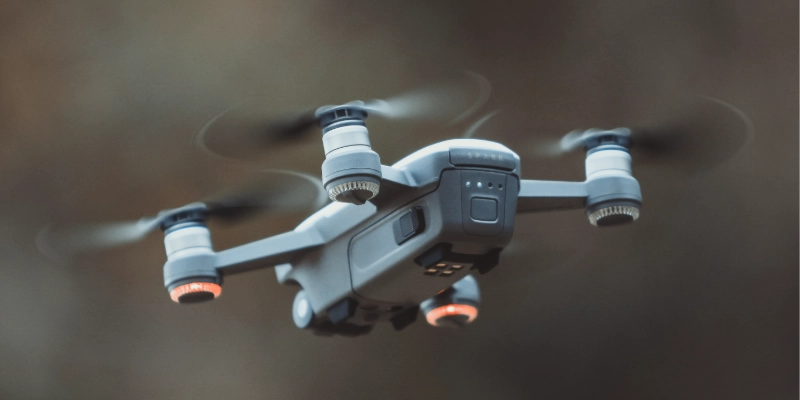
Understanding how drones work helps beginners operate them safely and effectively.
- Drone Components: Drones have propellers, motors, a battery, sensors, and sometimes a camera. Propellers and motors generate lift, the battery powers the drone, sensors help detect movement and obstacles, and the camera allows aerial photography or videography.
- Remote or Smartphone Control: Drones are controlled using a transmitter that sends signals to the drone’s receiver, allowing precise movements from the ground.
- GPS and Stabilization: GPS and built-in sensors help drones maintain balance, hover in place, and navigate accurately.
- Autonomous Features: Many drones offer automatic functions such as takeoff, landing, follow-me mode, and obstacle avoidance, making them easier to operate.
Common Uses of Drones
Drones are no longer just gadgets for enthusiasts; they serve a wide range of practical and professional purposes. From capturing stunning visuals to assisting industries, drones have become essential tools in many fields.
- Photography and Videography: Drones are widely used for capturing aerial shots in weddings, travel vlogs, and real estate marketing.
- Delivery Services: Brands use drones to deliver packages quickly and efficiently, reducing time and costs.
- Agriculture: Farmers use drones for crop monitoring, spraying pesticides, and mapping fields to improve productivity.
- Search and Rescue: Drones assist in locating missing people, especially in areas difficult to access on foot.
- Hobby and Recreation: Many enthusiasts fly drones for fun, participate in drone racing, or explore aerial photography as a hobby.
Benefits and Drawbacks of Drones
Drones offer many advantages in photography, industry, and recreation, but they also come with certain limitations. Understanding both the benefits and drawbacks helps users make informed decisions.
| Benefits | Drawbacks |
| Allow aerial photography and videography from unique angles | It can be expensive to buy and maintain |
| Enable fast delivery and reduce human effort | Limited flight time due to battery constraints |
| Help in agriculture with crop monitoring and spraying | Require training to operate safely |
| Assist in search and rescue, mapping, and inspections | Risk of accidents or collisions if not flown carefully |
| Provide a hobby and recreational enjoyment | Privacy and legal concerns in some areas |
| Can be programmed for autonomous tasks | Weather conditions can affect performance |
Tips for Beginners
Flying a drone can be exciting but requires practice and caution. Following these tips helps beginners get started safely and enjoyably.
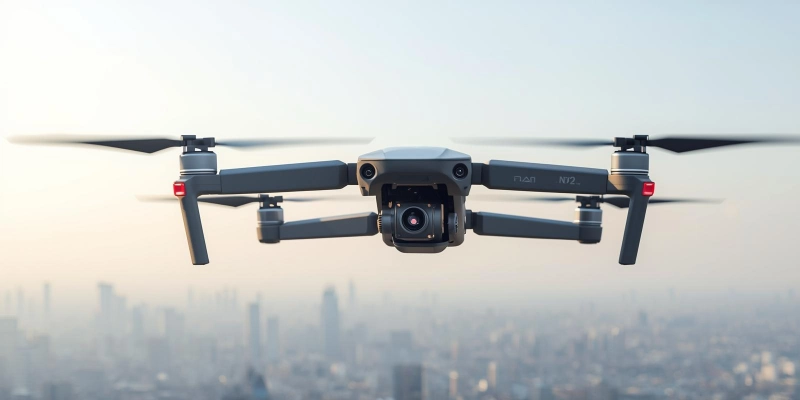
- Start with a Basic Drone: Choose a beginner-friendly drone that is lightweight, easy to control, and affordable.
- Practice in Open Spaces: Fly in wide, open areas free from obstacles to reduce the risk of accidents.
- Learn the Controls Slowly: Take time to understand the remote or smartphone controls before attempting complex maneuvers.
- Check Local Drone Regulations: Always follow local laws and restrictions regarding drone flying to stay safe and legal.
Conclusion
Drones are amazing tools that make work easier, capture unique views, and provide fun for beginners and professionals alike. With the right knowledge, practice, and care, anyone can enjoy using drones safely and effectively. As technology improves, drones will continue to play an important role in many areas of life.
FAQs
Got questions? Find all the answers here and become a drone pro in no time!
Drones are used to fly without a pilot for tasks like photography, delivery, and inspections. They help people reach places or see things from above. They make work faster, safer, and more fun.
Drones are used in photography, filming, delivery, agriculture, and rescue missions. They help industries save time and improve accuracy. They are also used by hobbyists for fun and racing.
Most drones cannot carry humans because they are small and lightweight. Some large drones are being developed for passenger transport. Right now, drones are mainly for cargo or recreational use.
Yes, drones help humans by taking aerial photos, monitoring crops, delivering items, and assisting in emergencies. They save time and reduce risk. They also provide entertainment and learning opportunities.
Drones fly at night for photography, security patrols, and monitoring events. Some are used for deliveries after dark. Night flying lets them work when it is quiet or safe from traffic.
No, drones do not have sperm. In nature, the term “drone” can also mean a male bee that can mate, but machines do not have biological functions. Drones as aircraft are purely mechanical.
No, standard drones cannot hear conversations. Some specialized drones may have microphones for recordings, but most drones only sense movement and take photos or videos. They do not naturally listen like humans.



- Be Respectful
- Stay Relevant
- Stay Positive
- True Feedback
- Encourage Discussion
- Avoid Spamming
- No Fake News
- Don't Copy-Paste
- No Personal Attacks
- Be Respectful
- Stay Relevant
- Stay Positive
- True Feedback
- Encourage Discussion
- Avoid Spamming
- No Fake News
- Don't Copy-Paste
- No Personal Attacks
